HBG
  • Subscribe
  • Digital Edition
    • Digital Edition
    • Digital Brand Index
    • Digital Archive
  • Beverage Guide
    • Flavor and Cocktail Construction >
      • A Guide to: Flavor Pairings and Recipe Development
      • A Guide to: Cocktail Construction
      • Flower Aroma Compounds
      • Peanut Aroma Compounds
      • A Guide to: Herb Aroma Compounds
      • A Guide to: Spice Aroma Compounds
      • Fruit Aroma Componds
      • Japanese Flavors
      • A Guide to Indigenous Mesoamerican Cocktail Ingredients
    • Production Fundamentals >
      • A Guide to: Water
      • A Guide to: Alcoholic Fermentation
      • Intro to the Fermentation of Grain
      • A Guide to: Distillation and Stills
      • A Guide to: Filtration
      • A Guide to: Oak Barrels
      • ​A Guide To: Non-Enzymatic ​Browning
      • Introduction to Cacao and Chocolate Making
    • Non-Alcoholic Beverages >
      • Kamaʻāina Beverages >
        • Hawaiian Sun
      • Non-Alcoholic Beer Produced by Restricted Fermentation
      • Non-Alcoholic Beer and Wine Produced by Dealcoholization
      • Hawaii Beverage Guide Perspective on: Non-Alcoholic Beer and Wine Program Integration
      • 2022 No/Low Alcohol Beverage Market Perspective
    • Beer >
      • Kamaʻāina Brewers >
        • Kauai Breweries >
          • Kaua'i Island Brewing Co.
        • Oahu Breweries >
          • Aloha Beer Co
          • Beer Lab
          • Broken Boundary Brewery
          • Hana Koa Brewing Co
          • Honolulu Beerworks
          • Inu Island Ales
          • Lanikai Brewing Co
          • Waikiki Brewing Company
        • Maui Breweries >
          • Maui Brewing Co
          • Maui Seltzer
          • Kohola Brewery
        • Big Island Breweries >
          • Big Island Brewhaus
          • Ola Brewing
          • Hilo Brewing
          • Kona Brewing
      • Athletic Brewing
      • Firestone Walker Brewing Co
      • Golden Road Brewing
      • Stella Artois Summer Solstice Lager
      • San Miguel
    • Cider >
      • Kamaʻāina Ciders >
        • Paradise Ciders
    • Sake
    • Spirits >
      • Kamaʻāina Distillers >
        • Aloha Awamori
        • Hali'imaile Distilling Company
        • Hanalei Spirits
        • Hawaii Sea Spirits
        • Hawaiian Shochu Co
        • Island Distillers
        • Ko Hana Rum
        • Kolani Distillers
        • Koloa Rum >
          • Koloa Cacao Rum
        • Ko'olau Distillery
        • Kuleana Rumworks
        • Kupu Spirits >
          • Kupu Whiskey
        • Royal Hawaiian Spirits
      • Bitters
      • Brandy >
        • Cognac >
          • Martell
        • Spanish Brandy >
          • Emperador >
            • Fundador
      • Gin >
        • Ginebra San Miguel
        • Indoggo Gin
      • Liqueurs and Cordials >
        • ​Destileria Barako: Ube Cream Liqueur
        • Skrewball
        • Chareau
      • Ready Made Cocktails >
        • 10 Barrels Brewing Co.
      • Rum >
        • Copalli Rum
        • Lemon Hart and Son
        • Real McCoy Rum
        • Tanduay Rum >
          • Tanduay: Especia Spiced Rum
      • Shochu
      • Agave Spirits
      • Tequila >
        • Del Maguey
        • Codigo 1530
        • Tequila Comisario
        • El Cristiano
        • Casa Sauza
        • Real Del Valle
        • Tequila Komos
        • El Hempe
      • Bourbon Whiskey >
        • Old Hillside Whiskey
      • Irish Whiskey >
        • Irish Distillers: Midleton Very Rare, Irish Distillers: Redbreast, Spot Whiskey, Jameson
        • Slane Irish Whiskey
      • Vodka >
        • Kai Vodka
        • Haku Vodka
    • Wine >
      • Kamaʻāina Wine Makers >
        • Maui Wine
      • Winemaking >
        • A Guide to Viticulture
        • A Guide to: Wine Prefermentation Practices
        • A Guide to: Wine Microbes
        • A Guide to: Wine Alcoholic Fermentation Physical Environment
        • A Guide to: Wine Fermentation Chemical Environment
        • A Guide to: Wine Bottling
        • A Guide to: Post Fermentation Flavor Adjustments
        • A Guide to: Post Fermentation Process: Stabilization
        • A Guide to: Wine Faults
        • A Guide to: Wine Polyphenols
        • A Guide to: Wine Aroma Compounds: Pt 1
        • A Guide to: Wine Aroma Compounds: Pt 2
        • A Guide to: High Residual Sugar Wine from Dehydrated Grapes
        • Red and White Grape Aroma Compounds
      • Wine Styles >
        • Natural Wine
        • White Wine Styles >
          • Riesling
          • Sauvignon Blanc
        • Rosé
        • Red Wine Styles >
          • Bordeaux Reds
          • Cabernet Sauvignon
          • Gewürztraminer
          • Grenache
          • Malbec
          • Merlot
          • Non-Alcoholic Wine >
            • Fre: Alcohol -Removed Wine
          • Zinfandel
        • Sparkling Wine
  • Business Strategy
    • Restaurant Finance
    • Your Dapper Consulting: Democratization of Venture Capital
    • Marketing for Small Business Pt 1: Analysis
    • Marketing for Small Business Pt 2: Marketing Communications Strategy
    • A Guide to Pricing Strategy
  • News and Events
    • Cheers to Seventy-Three Years
    • Navigating COVID-19
  • About
    • Contact
    • Terms & Conditions
Picture
​https://www.islanddistillers.com/
Distillery Location:
577 Pakala St, Honolulu, HI 96825

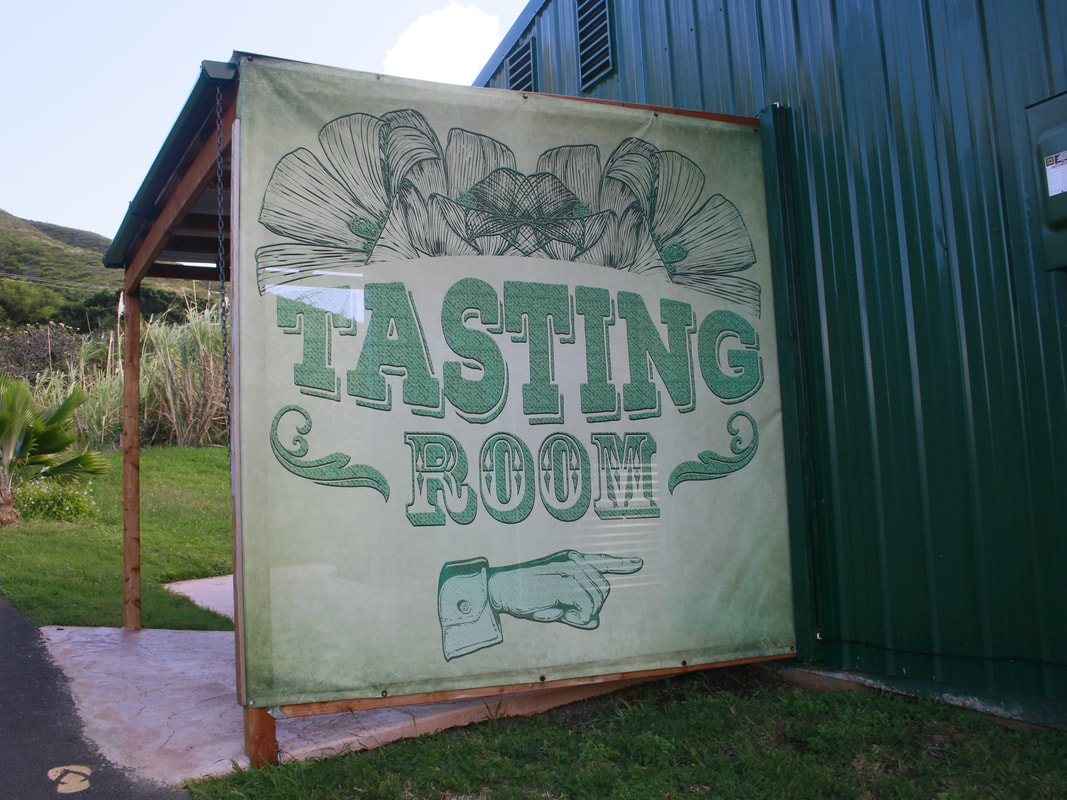
Tasting Room and Distillery Open
Wednesday - Sunday
​10:00am to 5:00pm 
Hawaii Distributor: Johnson Brothers of Hawaii
​

About the Brand

  • Founding Story
  • The Team
  • Hapa Vodka Name Origin
<
>
Initial founding
   Dave Flintstone, founder of Island Distillers and the creative force behind Hapa Vodkas, began his journey in the Caribbean as a scuba instructor and discovered his passion for blending sugarcane spirits on the island of Espanola. Venturing between Haiti and the Dominican Republic, he refined his craft through internships at various distilleries, mastering the production and blending of rums, clarin, and vodka. After facing a year of regulatory obstacles in Maui, where bureaucracy hindered his plans, Dave shifted to Oahu, where a more favorable environment enabled him to secure a distillery space swiftly and open his first facility within a month—a milestone that set the stage for his ongoing legacy over the past decade. "I ended up making a call over here on Oahu, and found out it was a completely different situation, even though it’s under the same state laws. A week later, I was over here [Oahu] building out my first distillery space, and we opened a month later," he said. 
      Dave selected vodka as his spirit of choice because its unaged nature allows it to be released almost immediately after production. Its versatility is intriguing—vodka can be made from nearly any commodity—yet the challenge lies in eliminating unwanted flavors through precise distillation rather than adding notes. Although Dave initially believed achieving a clean flavor profile would be simple, he soon discovered that perfecting vodka is a much more demanding art. His flavor choices were driven by personal taste and a connection to Hawaii; he experimented with uncommon options that echoed the islands' essence, starting with hibiscus and Hawaiʻi chili pepper before ultimately adding the coconut flavor.
​

A transfer of ownership 
     In approximately 2022 Dave sold Island Distllers to the families of Zachary and Amy Riehemann as well as Jared and Ashley Hupp.  The team was inspired by similar experiences being raised on farms.  "Growing up on a farm as children we watched and helped our family tend to our land, cultivating the soil and harvesting the fruits of our labor. This instilled in us a deep respect for the land, community, and the importance of farming," said the team. 
     "Our journey into distillation began with a curiosity about the art of transforming raw ingredients into unique, handcrafted spirits. We experimented with different techniques, recipes, and ingredients, always pushing the boundaries of what was possible," the team noted.
     Island Distillers was founded on a simple yet ambitious vision: to create exceptional, small-batch spirits that showcase the essence of Hawai‘i using native Hawai‘ian plants. Today, we’re proud to be a family-owned distillery, dedicated to using only the finest, locally-sourced ingredients in our products. From our farm-to-bottle approach to our commitment to sustainability, every aspect of our business is guided by a passion for quality, community, and Aloha.
Zachary Riehemann, President
Meet Zack, our company president who brings a wealth of experience and expertise to the table. With over 10 years of service at the Maternal & Child Health Branch of the Hawai’i Department of Health, Zack skillfully navigates the business side of our company, ensuring our success and growth. His dedication and leadership have been instrumental in shaping our vision and direction.


Amy Riehemann, Director of Agriculture and Community Relations
Meet Amy, a passionate advocate for native Hawaiian plants, sustainability, and community. With a background in kupuna care management across Oahu and a lifelong connection to farming, she brings a unique blend of knowledge, aloha spirit, and community dedication. As Director of Agriculture and Community Relations, Amy nurtures growth and connection, with a deep commitment to her community. Her home is always filled with the warmth of ‘ohana and community alike.


Ashley Hupp, Sales Manager
Meet Ashley, our vibrant sales manager and the face of our brand at trade shows and events. Known to many as the Paradise Bartender, Ashley brings infectious energy and charm to every gathering, making her the life of the party. When she’s not shaking up sales, she’s sharing her passion for our spirits with enthusiasm and expertise. Ashley is the perfect blend of business savvy and aloha spirit.


Jared Hupp, Lead Distiller
Meet Jared, our lead distiller. Jared is the creative force behind our family’s spirits, bringing a level of expertise and artistry to every bottle. He loves experimenting with fruits from the land and is passionate about fermentation. When not distilling, Jared enjoys slow-cooking his signature brisket. If he looks familiar you might remember him from his days bartending at Coconut Willy’s. That same charm and hospitality are infused in every sip of our spirits.
“Hapa, in Native Hawaiian, means “part” or “mixed.”  I decided to take advantage of hundreds of years of sugarcane history in Hawaii and my knowledge of blending, which is quite unique here as no one else does it. I take my freshly made, Hawaiian vodka and then blend it with a Brazilian sugarcane spirit that I import, merging the two, and in turn, creating something better. Blending is better! That’s why all the best rums in the Caribbean are blended rums and have been since the 1600s.”

Vodka Production

  • Ingredients
  • Production Process
<
>
Sugar
The sweetener for the flavored vodkas and the supplement to the “backyard” sugarcane comes from Louisiana.  
Fermentation
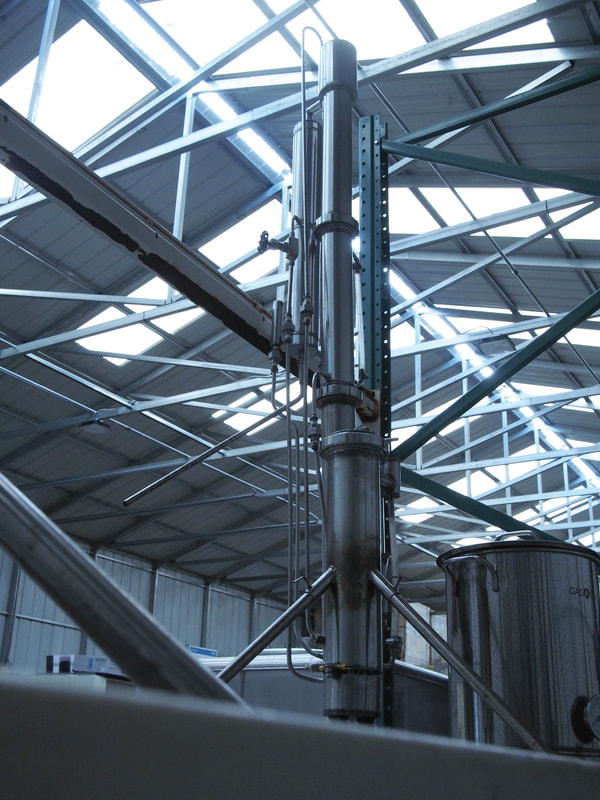
To make the base spirit, sugarcane grown on the property is fermented and run through a custom, micro, continuous distillation still.  This instantly vaporizes the mash and automatically separates heads and tails. With this distillation technique, minimal heads and tails are produced, thus producing higher yields of the end product.  Flintstone then blends a Brazilian spirit to proof with water, lets it rest, then blends it again with his local vodka distillate.

“I have a very small production method, so my spirit is going to be a bit different than a larger production method. Bringing the Brazillian sugarcane and my sugarcane distillate together definitely makes all the difference when blending them. The whole is greater than some of the parts, and it creates a nice synergy and a nice harmony.”
Picture

​Distillation

Island Distillers uses a custom, micro, continuous distillation still that instantly vaporizes the mash, instead of boiling the mash like in a pot still.  This automatically separates heads and tails; however, not a lot of heads are produced due to this particular methodology. Flintstone helped design this custom still with a Russian petroleum engineer who worked on fuel refineries and vodka in his spare time.  However, the still was refined for the American pallet as Russians like vodka with a lot of bite.

​

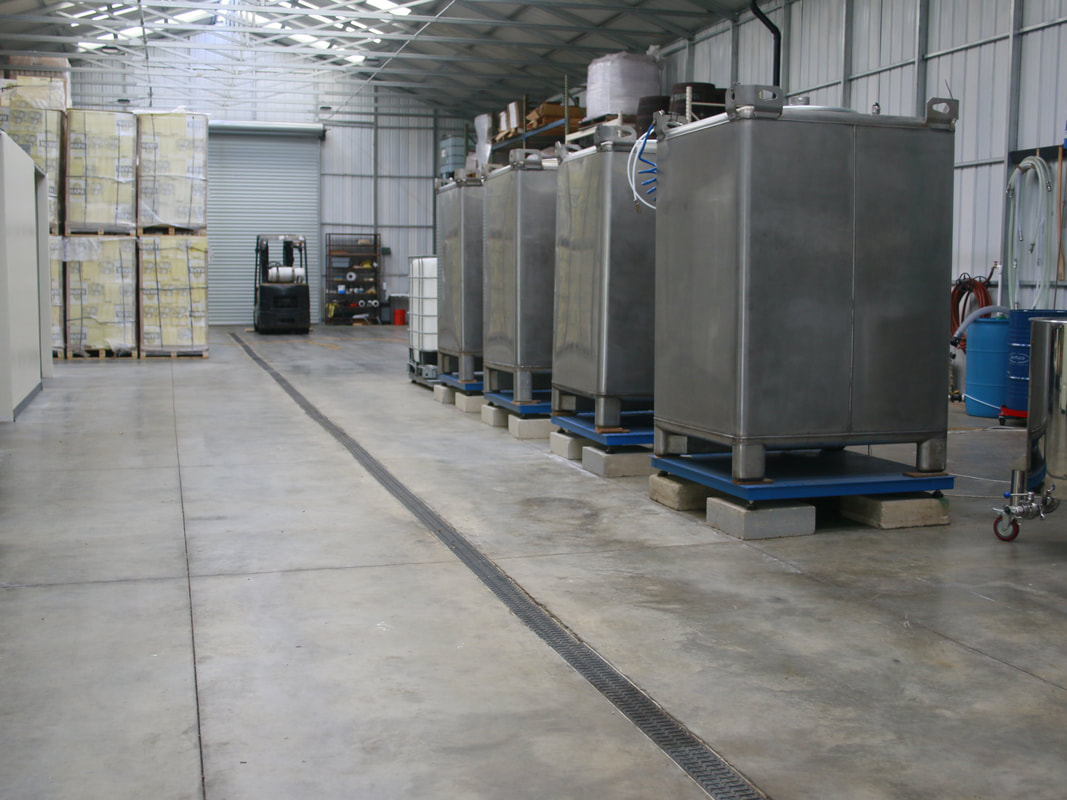
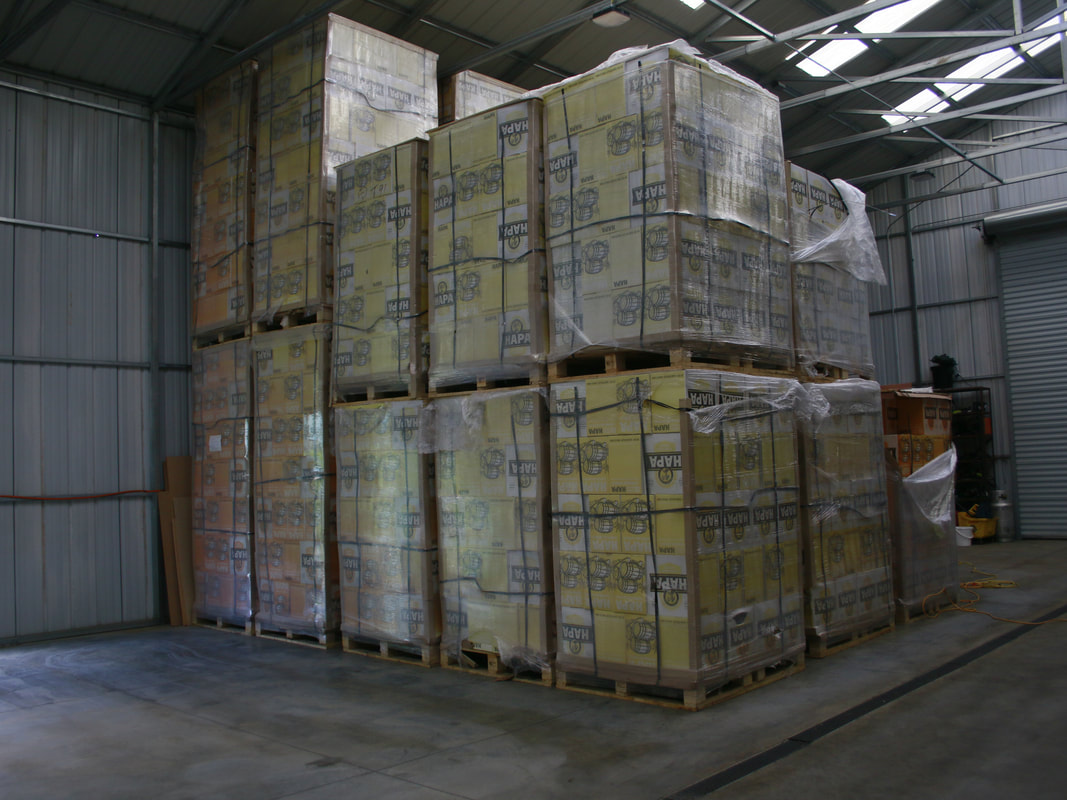
The Distillery

The Vodka

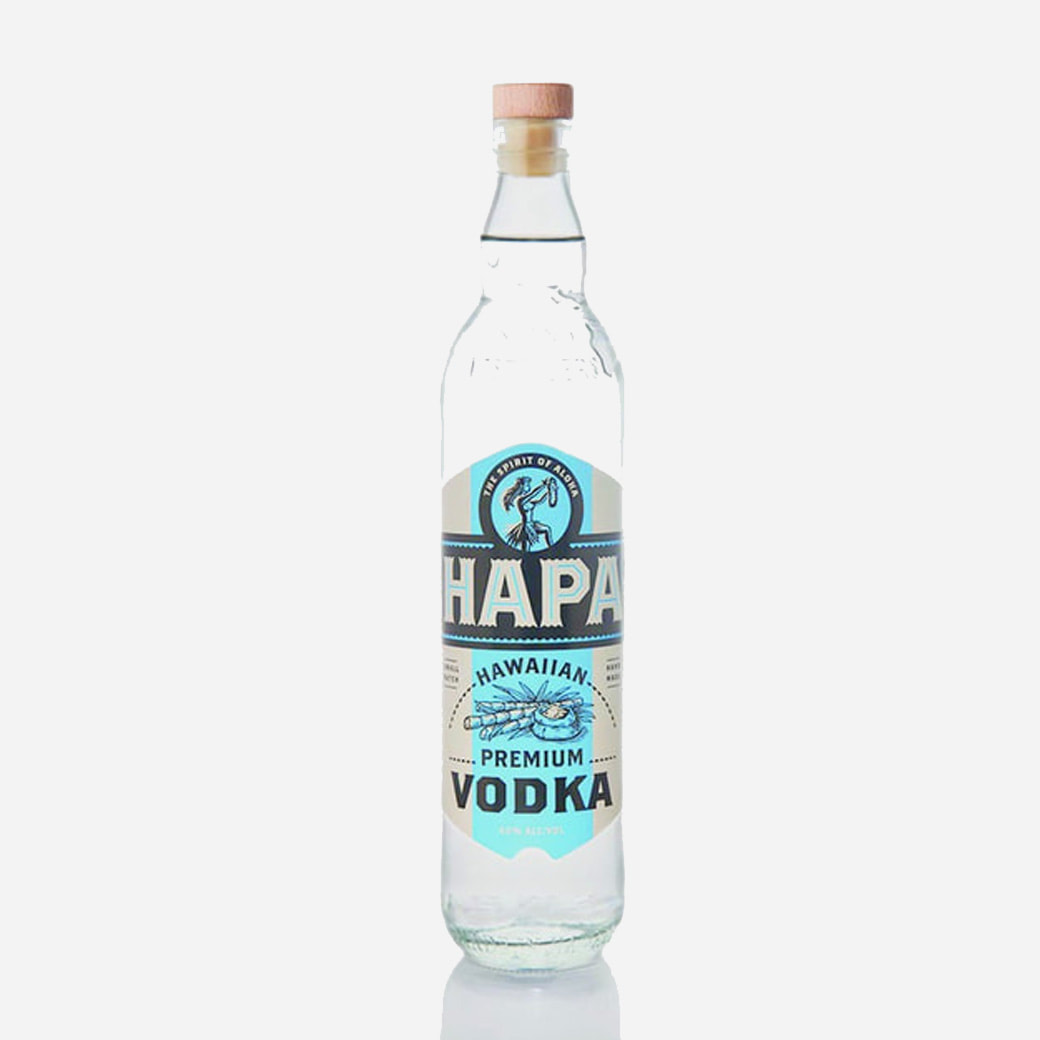
  • Hapa Vodka
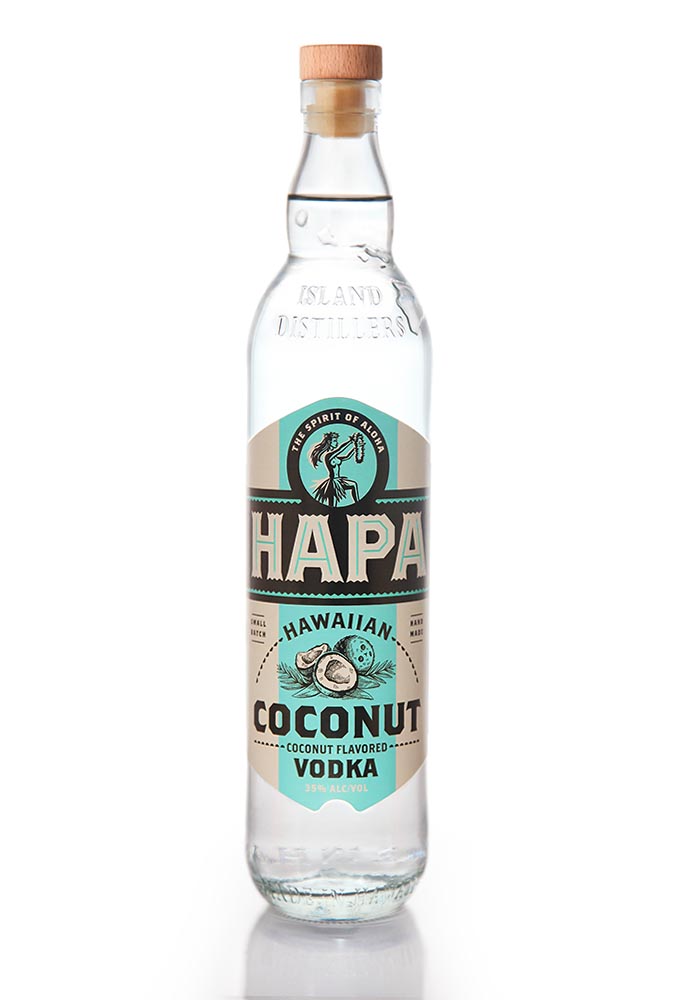
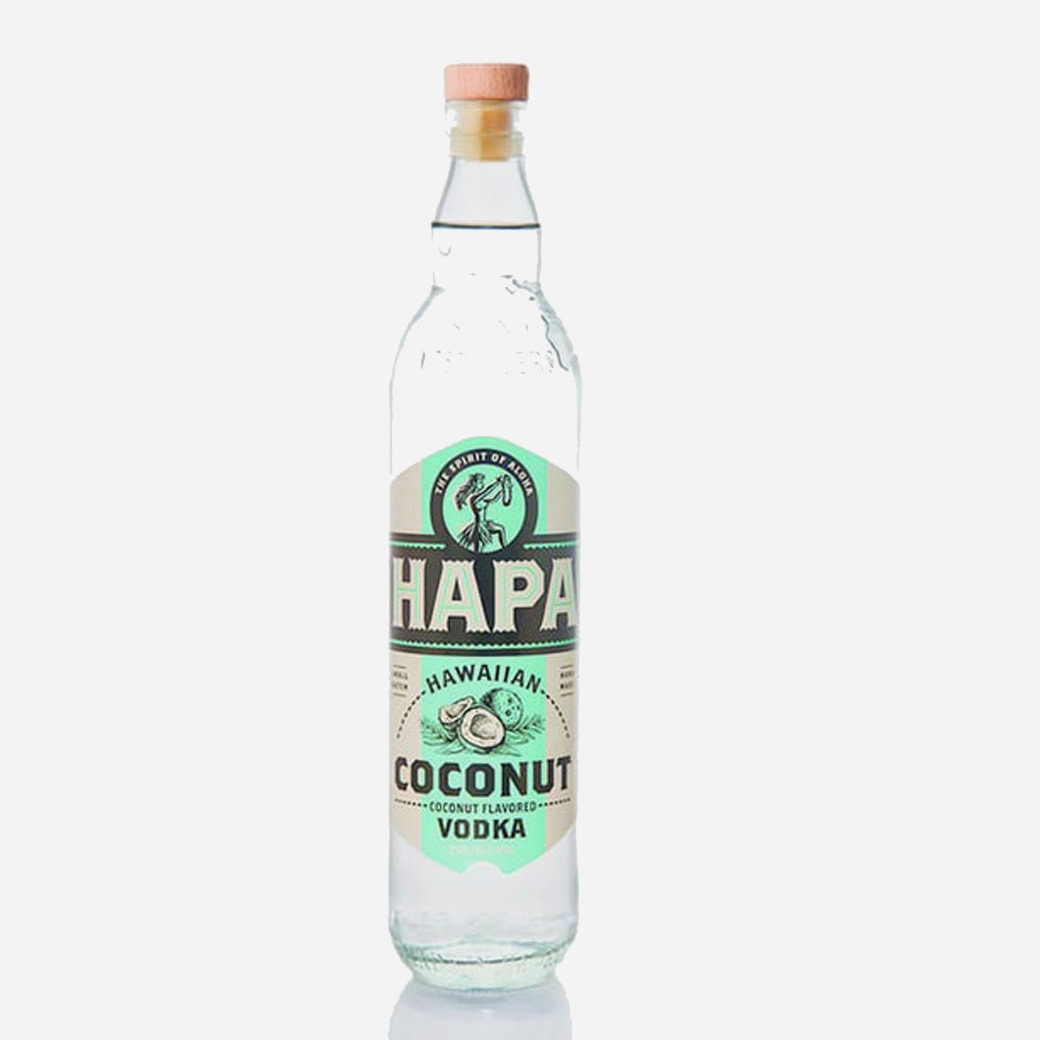
  • Hapa Coconut Vodka
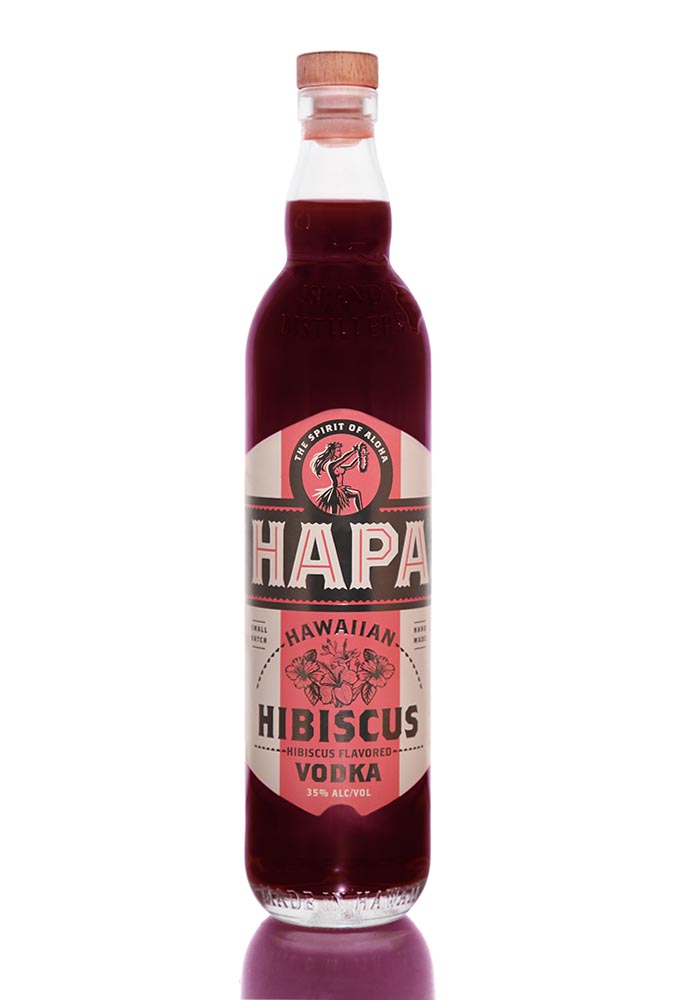
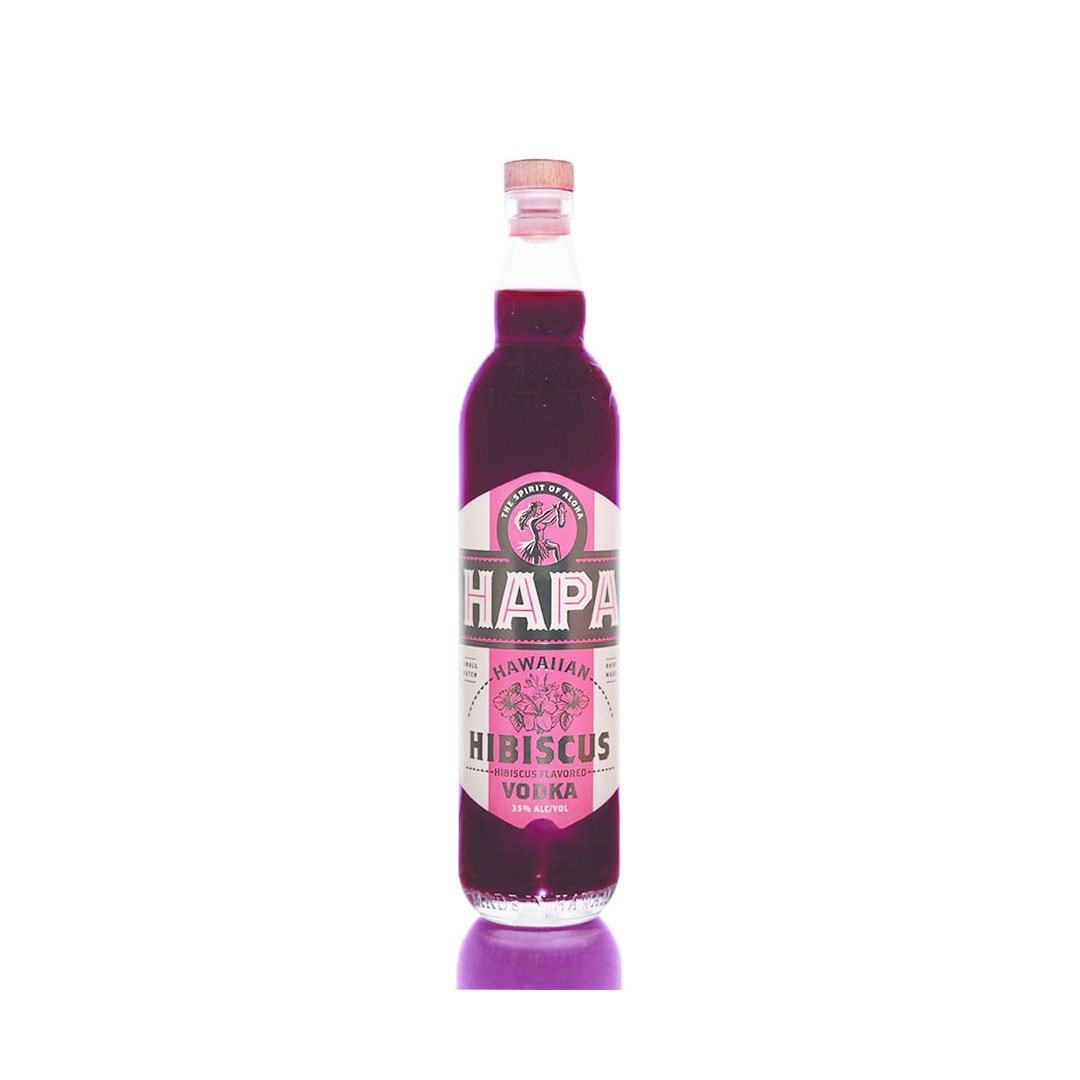
  • Hapa Hibiscus Vodka
  • ​Hapa Hawaiian Chili Pepper Vodka
<
>
Picture
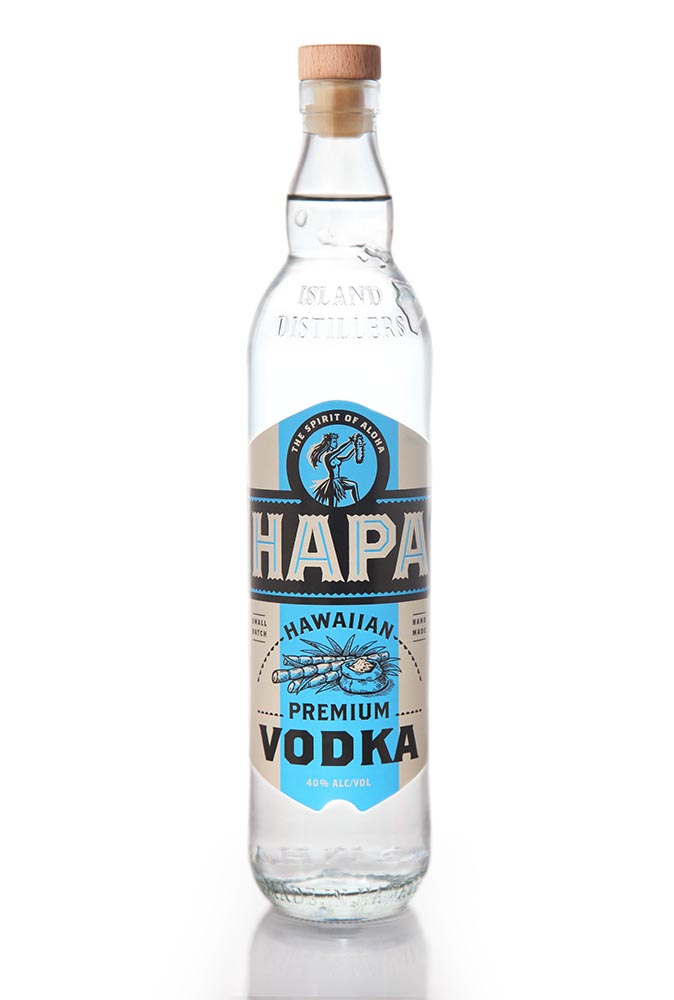
Hawaii Beverage Guide Tasting Notes
Boquet: Slightly astringent and clean

Pallet: Hapa has a silky mouthfeel with warming alcohol.  There is a faint top note of grass or sugarcane, with a slightly sweet lasting finish.

Cocktail Approach
  • Method: Muddle ingredients and Shake
  • Flavors: Sweet fruit flavors, tropical fruit like mango or pineapple, and herbs.
  • Avoid: N/A

Hawaii Beverage Guide Commentary
We feel Island Distiller’s Hapa Vodka is more robust in flavor than Ocean Vodka and less robust than Pau Vodka.
Picture
Coconuts
“The coconuts come from either Thailand or the Philippines, depending on the time of year or weather.  Unfortunately, there are no coconut plantations here in Hawaii. And unlike other fruits and some botanicals, you can’t really chuck coconuts into vodka and expect much flavor transfer. You need a more intense flavor in order to infuse the [coconut] flavor and aroma into the product. I developed a distillation method of its own that uses water. It’s the same way they produce other extract products that are highly intense in flavors or aromas like essential oils.  I also quickly realized that on my own, I would not be be able to produce this product in the quantity that I needed, even with the small production that I have, because it would take a large amount of coconuts and a tremendous amount of labor. So, I created the extraction I wanted and found someone on the mainland, who had the facilities in place to process the coconuts, to do it for me.”
Picture
Hibiscus
“Hawai’i doesn’t have hibiscus farms, so I have to source elsewhere. I don’t mind doing this for my ingredients when it’s necessary because I want the best ingredients for my products no matter where they come from. The hibiscus actually comes from Egypt, and it’s dried hibiscus flower infused directly into the product, which is where the color, aroma and flavor come from.”

Hawaii Beverage Guide Commentary
Hapa vodka’s neutral flavor provides a great base for the concentrated Hibiscus Vodka.  We believe the hibiscus would work well on a menu in Hawaii as it checks off a couple great buzzwords. Unless you plan on making hibiscus tea or doing your own infusion, this concentrate would also save time when building your cocktail ingredients list.  
Picture
Hawaiian Chili Pepper
“The Hawaii chili peppers are currently sourced from the Big Island on the Puna side. Our source is a gentleman who has hundreds and hundreds of chili pepper plants that I'm able to get pounds of chili peppers from, which has been very convenient.”

Okolehao

“Okolehao has been mass produced for retail since the late 18th century, so it has a reasonably long history.  Many producers at the time had also introduced sugarcane in their Okolehau, which provided a smoother spirit. I wanted to focus on recreating what was being drunk during that time as opposed to what was common during the 1700s. I developed mine two years after the releases of my two initial Vodkas: the Straight Premium Vodka, and the Coconut Vodka.”
  • Ingredients
  • Process
<
>
Ti Leaf
​
“Almost all the ones we do use have green leaves just because that’s what we’re able to source from the Big Island. However, I haven’t found any particular difference in flavor between the different colored leaves; and, we’re not using the leaves; we’re using the root.”

The Production process

“All alcohol starts with fermentation, which of course creates the alcohol and distilling, but also concentrates and refines the alcohol.  With regard to the fermentation process of my Okelehao, is sugarcane and Ti root. Sugarcane is readily fermentable, and by simply adding the correct yeast, it will ferment and produce alcohol. The Ti root, as a starch, has to be converted to sugars like all other starches, so it has to be chopped, minced, and then made into a slurry; once heated, it will convert into sugars, which after combined with the sugarcane, can then be fermented into alcohol.”
​

MENU

HOME

SUBSCRIBE

DIGITAL
​EDITION

BEVERAGE
​GUIDE

NEws and
​Events

ABOUT

CONTACT

©2025 Hawaii Beverage Guide
​Terms & Conditions 
Site Map
  • Subscribe
  • Digital Edition
    • Digital Edition
    • Digital Brand Index
    • Digital Archive
  • Beverage Guide
    • Flavor and Cocktail Construction >
      • A Guide to: Flavor Pairings and Recipe Development
      • A Guide to: Cocktail Construction
      • Flower Aroma Compounds
      • Peanut Aroma Compounds
      • A Guide to: Herb Aroma Compounds
      • A Guide to: Spice Aroma Compounds
      • Fruit Aroma Componds
      • Japanese Flavors
      • A Guide to Indigenous Mesoamerican Cocktail Ingredients
    • Production Fundamentals >
      • A Guide to: Water
      • A Guide to: Alcoholic Fermentation
      • Intro to the Fermentation of Grain
      • A Guide to: Distillation and Stills
      • A Guide to: Filtration
      • A Guide to: Oak Barrels
      • ​A Guide To: Non-Enzymatic ​Browning
      • Introduction to Cacao and Chocolate Making
    • Non-Alcoholic Beverages >
      • Kamaʻāina Beverages >
        • Hawaiian Sun
      • Non-Alcoholic Beer Produced by Restricted Fermentation
      • Non-Alcoholic Beer and Wine Produced by Dealcoholization
      • Hawaii Beverage Guide Perspective on: Non-Alcoholic Beer and Wine Program Integration
      • 2022 No/Low Alcohol Beverage Market Perspective
    • Beer >
      • Kamaʻāina Brewers >
        • Kauai Breweries >
          • Kaua'i Island Brewing Co.
        • Oahu Breweries >
          • Aloha Beer Co
          • Beer Lab
          • Broken Boundary Brewery
          • Hana Koa Brewing Co
          • Honolulu Beerworks
          • Inu Island Ales
          • Lanikai Brewing Co
          • Waikiki Brewing Company
        • Maui Breweries >
          • Maui Brewing Co
          • Maui Seltzer
          • Kohola Brewery
        • Big Island Breweries >
          • Big Island Brewhaus
          • Ola Brewing
          • Hilo Brewing
          • Kona Brewing
      • Athletic Brewing
      • Firestone Walker Brewing Co
      • Golden Road Brewing
      • Stella Artois Summer Solstice Lager
      • San Miguel
    • Cider >
      • Kamaʻāina Ciders >
        • Paradise Ciders
    • Sake
    • Spirits >
      • Kamaʻāina Distillers >
        • Aloha Awamori
        • Hali'imaile Distilling Company
        • Hanalei Spirits
        • Hawaii Sea Spirits
        • Hawaiian Shochu Co
        • Island Distillers
        • Ko Hana Rum
        • Kolani Distillers
        • Koloa Rum >
          • Koloa Cacao Rum
        • Ko'olau Distillery
        • Kuleana Rumworks
        • Kupu Spirits >
          • Kupu Whiskey
        • Royal Hawaiian Spirits
      • Bitters
      • Brandy >
        • Cognac >
          • Martell
        • Spanish Brandy >
          • Emperador >
            • Fundador
      • Gin >
        • Ginebra San Miguel
        • Indoggo Gin
      • Liqueurs and Cordials >
        • ​Destileria Barako: Ube Cream Liqueur
        • Skrewball
        • Chareau
      • Ready Made Cocktails >
        • 10 Barrels Brewing Co.
      • Rum >
        • Copalli Rum
        • Lemon Hart and Son
        • Real McCoy Rum
        • Tanduay Rum >
          • Tanduay: Especia Spiced Rum
      • Shochu
      • Agave Spirits
      • Tequila >
        • Del Maguey
        • Codigo 1530
        • Tequila Comisario
        • El Cristiano
        • Casa Sauza
        • Real Del Valle
        • Tequila Komos
        • El Hempe
      • Bourbon Whiskey >
        • Old Hillside Whiskey
      • Irish Whiskey >
        • Irish Distillers: Midleton Very Rare, Irish Distillers: Redbreast, Spot Whiskey, Jameson
        • Slane Irish Whiskey
      • Vodka >
        • Kai Vodka
        • Haku Vodka
    • Wine >
      • Kamaʻāina Wine Makers >
        • Maui Wine
      • Winemaking >
        • A Guide to Viticulture
        • A Guide to: Wine Prefermentation Practices
        • A Guide to: Wine Microbes
        • A Guide to: Wine Alcoholic Fermentation Physical Environment
        • A Guide to: Wine Fermentation Chemical Environment
        • A Guide to: Wine Bottling
        • A Guide to: Post Fermentation Flavor Adjustments
        • A Guide to: Post Fermentation Process: Stabilization
        • A Guide to: Wine Faults
        • A Guide to: Wine Polyphenols
        • A Guide to: Wine Aroma Compounds: Pt 1
        • A Guide to: Wine Aroma Compounds: Pt 2
        • A Guide to: High Residual Sugar Wine from Dehydrated Grapes
        • Red and White Grape Aroma Compounds
      • Wine Styles >
        • Natural Wine
        • White Wine Styles >
          • Riesling
          • Sauvignon Blanc
        • Rosé
        • Red Wine Styles >
          • Bordeaux Reds
          • Cabernet Sauvignon
          • Gewürztraminer
          • Grenache
          • Malbec
          • Merlot
          • Non-Alcoholic Wine >
            • Fre: Alcohol -Removed Wine
          • Zinfandel
        • Sparkling Wine
  • Business Strategy
    • Restaurant Finance
    • Your Dapper Consulting: Democratization of Venture Capital
    • Marketing for Small Business Pt 1: Analysis
    • Marketing for Small Business Pt 2: Marketing Communications Strategy
    • A Guide to Pricing Strategy
  • News and Events
    • Cheers to Seventy-Three Years
    • Navigating COVID-19
  • About
    • Contact
    • Terms & Conditions