HBG
  • Subscribe
  • Digital Edition
    • Digital Edition
    • Digital Brand Index
    • Digital Archive
  • Beverage Guide
    • Flavor and Cocktail Construction >
      • A Guide to: Flavor Pairings and Recipe Development
      • A Guide to: Cocktail Construction
      • Flower Aroma Compounds
      • Peanut Aroma Compounds
      • A Guide to: Herb Aroma Compounds
      • A Guide to: Spice Aroma Compounds
      • Fruit Aroma Componds
      • Japanese Flavors
      • A Guide to Indigenous Mesoamerican Cocktail Ingredients
    • Production Fundamentals >
      • A Guide to: Water
      • A Guide to: Alcoholic Fermentation
      • Intro to the Fermentation of Grain
      • A Guide to: Distillation and Stills
      • A Guide to: Filtration
      • A Guide to: Oak Barrels
      • ​A Guide To: Non-Enzymatic ​Browning
      • Introduction to Cacao and Chocolate Making
    • Non-Alcoholic Beverages >
      • Kamaʻāina Beverages >
        • Hawaiian Sun
      • Non-Alcoholic Beer Produced by Restricted Fermentation
      • Non-Alcoholic Beer and Wine Produced by Dealcoholization
      • Hawaii Beverage Guide Perspective on: Non-Alcoholic Beer and Wine Program Integration
      • 2022 No/Low Alcohol Beverage Market Perspective
    • Beer >
      • Kamaʻāina Brewers >
        • Kauai Breweries >
          • Kaua'i Island Brewing Co.
        • Oahu Breweries >
          • Aloha Beer Co
          • Beer Lab
          • Broken Boundary Brewery
          • Hana Koa Brewing Co
          • Honolulu Beerworks
          • Inu Island Ales
          • Lanikai Brewing Co
          • Waikiki Brewing Company
        • Maui Breweries >
          • Maui Brewing Co
          • Maui Seltzer
          • Kohola Brewery
        • Big Island Breweries >
          • Big Island Brewhaus
          • Ola Brewing
          • Hilo Brewing
          • Kona Brewing
      • Athletic Brewing
      • Firestone Walker Brewing Co
      • Golden Road Brewing
      • Stella Artois Summer Solstice Lager
      • San Miguel
    • Cider >
      • Kamaʻāina Ciders >
        • Paradise Ciders
    • Sake
    • Spirits >
      • Kamaʻāina Distillers >
        • Aloha Awamori
        • Hali'imaile Distilling Company
        • Hanalei Spirits
        • Hawaii Sea Spirits
        • Hawaiian Shochu Co
        • Island Distillers
        • Ko Hana Rum
        • Kolani Distillers
        • Koloa Rum >
          • Koloa Cacao Rum
        • Ko'olau Distillery
        • Kuleana Rumworks
        • Kupu Spirits >
          • Kupu Whiskey
        • Royal Hawaiian Spirits
      • Bitters
      • Brandy >
        • Cognac >
          • Martell
        • Spanish Brandy >
          • Emperador >
            • Fundador
      • Gin >
        • Ginebra San Miguel
        • Indoggo Gin
      • Liqueurs and Cordials >
        • ​Destileria Barako: Ube Cream Liqueur
        • Skrewball
        • Chareau
      • Ready Made Cocktails >
        • 10 Barrels Brewing Co.
      • Rum >
        • Copalli Rum
        • Lemon Hart and Son
        • Real McCoy Rum
        • Tanduay Rum >
          • Tanduay: Especia Spiced Rum
      • Shochu
      • Agave Spirits
      • Tequila >
        • Del Maguey
        • Codigo 1530
        • Tequila Comisario
        • El Cristiano
        • Casa Sauza
        • Real Del Valle
        • Tequila Komos
        • El Hempe
      • Bourbon Whiskey >
        • Old Hillside Whiskey
      • Irish Whiskey >
        • Irish Distillers: Midleton Very Rare, Irish Distillers: Redbreast, Spot Whiskey, Jameson
        • Slane Irish Whiskey
      • Vodka >
        • Kai Vodka
        • Haku Vodka
    • Wine >
      • Kamaʻāina Wine Makers >
        • Maui Wine
      • Winemaking >
        • A Guide to Viticulture
        • A Guide to: Wine Prefermentation Practices
        • A Guide to: Wine Microbes
        • A Guide to: Wine Alcoholic Fermentation Physical Environment
        • A Guide to: Wine Fermentation Chemical Environment
        • A Guide to: Wine Bottling
        • A Guide to: Post Fermentation Flavor Adjustments
        • A Guide to: Post Fermentation Process: Stabilization
        • A Guide to: Wine Faults
        • A Guide to: Wine Polyphenols
        • A Guide to: Wine Aroma Compounds: Pt 1
        • A Guide to: Wine Aroma Compounds: Pt 2
        • A Guide to: High Residual Sugar Wine from Dehydrated Grapes
        • Red and White Grape Aroma Compounds
      • Wine Styles >
        • Natural Wine
        • White Wine Styles >
          • Riesling
          • Sauvignon Blanc
        • Rosé
        • Red Wine Styles >
          • Bordeaux Reds
          • Cabernet Sauvignon
          • Gewürztraminer
          • Grenache
          • Malbec
          • Merlot
          • Non-Alcoholic Wine >
            • Fre: Alcohol -Removed Wine
          • Zinfandel
        • Sparkling Wine
  • Business Strategy
    • Restaurant Finance
    • Your Dapper Consulting: Democratization of Venture Capital
    • Marketing for Small Business Pt 1: Analysis
    • Marketing for Small Business Pt 2: Marketing Communications Strategy
    • A Guide to Pricing Strategy
  • News and Events
    • Cheers to Seventy-Three Years
    • Navigating COVID-19
  • About
    • Contact
    • Terms & Conditions
Picture

El Cristiano

website: El-Cristiano.com
Distillery
Casa Tequilera de Arandas (NOM 1499)
Arandas, Jalisco (Highlands)
 
Distributors
Hawaii and Nevada: Southern Glazer’s Wine and Spirits
California: Breakthru Beverage

Key People
Founders and brothers: Karan Khanna and Nitin Khanna
Partners and Beverage Experts:  Chris Shaffer, Christian Navarro, Jose Aceves
Ingredients
Production Process
Tequila
Store Locator
El Cristiano is dedicated to crafting the world’s most delicious tequila by bridging the flavor profiles of traditional Mexican agave-forward tequila and the American palate with an ultra-premium product. 

Founding Story

     Approximately eight years ago, Karan and Nitin Khanna were introduced to the nuances of ultra-premium tequila through a tasting session during one of their many visits to Mexico. During this, visit they discovered flavor profiles that they couldn’t place and learned it was due to additives.
     The Khanna brothers had previously investigated acquiring a tequila company and fueled by a profound respect for Mexican traditions, they embarked on a quest to create the cleanest, purest, most delicious agave spirit they could. Through this journey, they crafted a tequila that surpasses the ordinary and draws attention to the richness and abundance of Mexican culture.  Joining them was Christian Navarro, the former President and Principal of the internationally known Los Angeles specialty wine store Wally’s, whom Karan met through frequent visits to the shop. Their mutual love for whiskey and wine made them fast friends. Also on the journey were tequila industry veterans Chris and Bill Shaffer, whom Christian developed a friendship with during the Shaffer’s two decades at Patron. 
       When the El Cristiano project was being developed, years of immersion in tequila culture led them to a profound realization: true greatness lies in the exceptional quality of the agave and the unwavering dedication to purity, passion, and purpose.  To help the team execute the vision, Casa Aceves, composed of the brothers Jose, Cesar, and Alvaro Aceves, became a natural fit as they are the antithesis of the industrial distiller.  This Casa Tequileria was found after a “hunt for the very best” tequila maker to assist the El Cristiano team with executing their vision for another tequila brand. They continue to be collaborators because, “Casa Aceves is the future of Tequila and they are always willing to do what it takes to bring a vision to life in a natural, boutique and artisanal way” said Chris Shaffer. The team is also partnered with Casa Tequilera de Arandas (NOM 1499), which is a female-run distillery, a rarity in Mexico. 
     Karan Khanna and Nitin Khanna provided the following insight into the development of the brand.

Giving Back
      “Our mission’s ‘purpose’ aspect is particularly important to us, as it involves giving back to the communities that are integral to our tequila production, starting with the town of Arandas in Los Altos de Jalisco.”
     “The heart and soul of tequila lie in the people of Mexico–their warmth, hospitality, beliefs, culture, and cuisine–all of which have contributed to the creation of this incredible spirit. In Mexican culture, tequila is revered as a Goddess, highlighting its cultural significance. The rise in popularity of agave-based spirits has not only provided much-needed revenue from sales but has also boosted tourism, benefiting all segments of Mexican society.” 
      Part of that mission includes an eponymous foundation that aids the local community. “El Cristiano is proud to support an orphanage in Arandas, provide computers and other needs for the local schools, sponsor the local soccer club, and engage in many other high-impact efforts.”

The Brand Name 
In 1761, the town of Arandas in Jalisco, Mexico, came into existence. The same year witnessed the construction of a church and a distillery, both of which the church owned. The monks from the church who bartered the tequila in the town were famously known as El Cristianos. 

Bottle Design
     The bottle’s design is inspired by Mexico’s sandy beaches, the Mexican landscape’s continuous curves, and its culture of sharing moments with friends. The long neck and curves allow the bottle to be carried and poured easily by friends and bartenders. “Close your eyes and envision a group of friends strolling on the beach at sunset. Golden glows and waves crashing, laughter and the sharing of earth’s elixir that is tequila,” says Khanna.
     When designing the bottle, the approach was “Slow is fast.” “We took our time to craft the perfect, to us, bottle, and we did it as a group around a big table with laughter and friends. From discussing the curves to testing out various prototypes, we crafted a bottle that, from the core, was born from friends wanting a unique and purposeful design that is timeless in its curves and speaks to the quality of the tequila itself.” 

​Approach to Tequila

     El Cristiano Tequila stands out in the world of premium tequila through a dedication to quality and purity. Quality to El Cristiano has one meaning: Natural, clean, and additive-free. The brand wants to show people that exceptionally delicious tequila can be made with more effort and the highest-quality ingredients without adding to the cost. 
     To create a pure agave spirit, agave is exclusively harvested from the Jalisco Highlands, allowing each plant a minimum of six years to mature, ensuring an average weight of 85-105 kg (187-231 lbs). This meticulous process guarantees that only the finest, most flavorful agave is used, resulting in a juice that, when fermented and distilled, yields a pure and delicious Silver tequila. This commitment to excellence extends to the aging process, where the Silver tequila is aged in casks personally selected by the Maestro Tequilero. This careful selection means that El Cristiano’s aged tequilas—Reposado, Extra Reposado, and Extra Añejo—require no additives or manipulation, preserving the pure, natural essence of the spirit.

Pricing Strategy
     The pricing strategy is structured so that bartenders can provide customers with better options to popular standards in the ultra-premium category while being able to suggest in earnest, “But try out El Cristiano because it’s additive free, it’s incredibly delicious, and it’s a better quality,” and not upcharge them.
      “It wasn’t an ego thing on our part. It was: Here community, here mixologist, here bartenders, here’s an opportunity for you to serve something delicious that’s priced properly. Then for the retail market, for people to buy it, take it home, and just enjoy it for what it is—pure natural, great tequila,” said Karan Khanna. 

​Ingredients

Picture
Chris Shaffer shared the following insight into the development and production of El Cristiano and the Tequila category.
Agave
Highland agave at harvest is 6-6.5 years old, 85-110 kg, and 30-35 Brix. 

Growing Location Los Altos (Highlands) region of Jalisco.
     The Los Altos region is approximately 10 °F cooler than the Zona Valles (lowlands) region, with temperatures of 61-68 °F, which can drop into the 30s during winter.  The area also has lower rainfall than the lowlands, but the iron-rich clay soil supplies necessary minerals and helps with water retention.  These conditions ultimately result in significantly larger agave. “We use the highland agave to develop the natural agave flavor. Highland agave is grown at elevation, giving it a stronger and naturally sweeter flavor because of the nectar development.  It also has a mineral flavor and is very malleable, allowing you to pull the different flavors out of the agave”.

Cultivation
     “Agave is an extremely easy, wonderful plant. God gave us the agave, and it will never fail you; however, you can fail the agave. And we can fail the agave by cutting too soon, cooking it wrong, or not doing the right thing as far as agriculture goes”. 
     The agave for El Cristiano is propagated from hijuelos, and with sustainability in mind, cover crops are used between rows. “In an agave field, you want all sorts of vegetation in it. Why? Because bugs and worms have to eat. If that center section is cleaned up, what do they eat? The agave”. Additionally, the field management is given beans to be planted and used for food.  The ethos of El Cristiano is “do it right,” and this includes sustainability and using the land in the most appropriate way. 

Harvesting
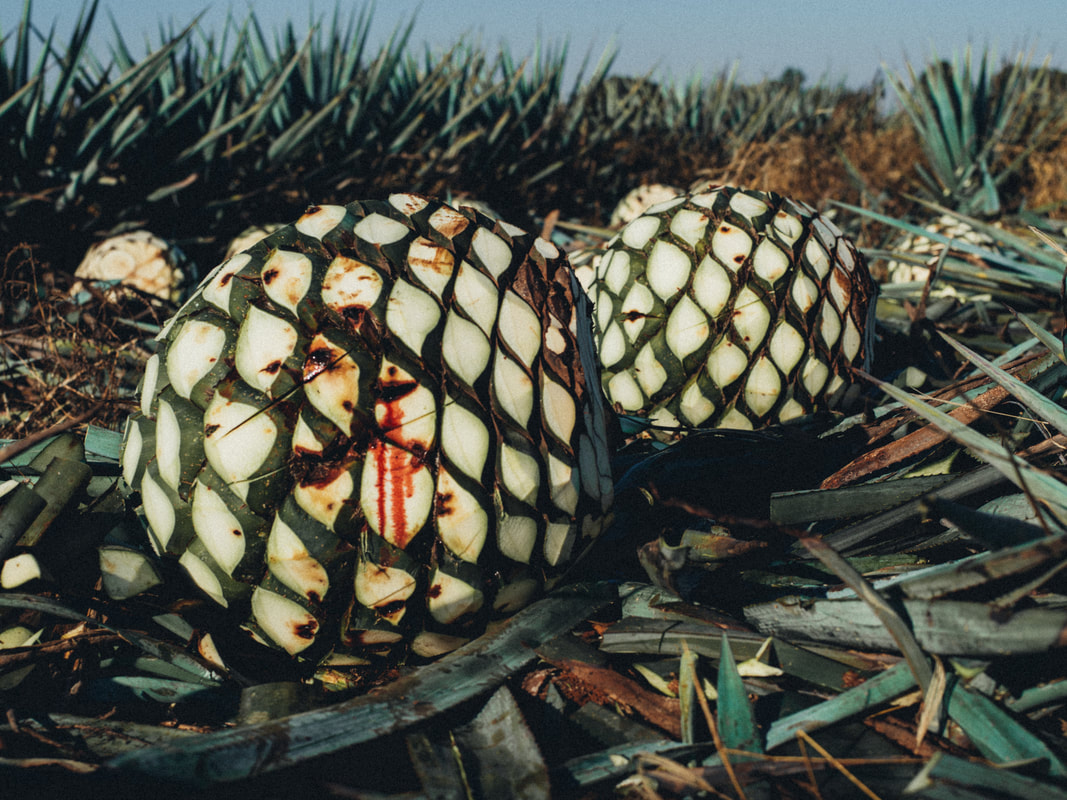
     With the help of Cesar Aceves, Chris Shaffer picks every agave used in El Cristiano. “We pick by maturity, not by the calendar. We primarily look for what’s called madura. That’s the purpleness on a very ripe agave caused by the agave nectar.”  
     The agave is typically sourced from a combination of farms from Teppa to the North. With a priority of finding the mature agave that shows the Madura state, Shaffer and Aceves are willing to hunt all over the area to do it. What has minimized the search is that the brand is willing to pay a premium for the product and not be inflexible on price. “People will come to us and say we have a hectare, 3 hectares, or 6 hectares, of exactly what you’re looking for, here’s a certified age, come on out and let’s cut 50 of them. If we find 4-7% in that state, we’ll take the field. It’s like truffles in that way, like the real truffle hunters know who to sell to and who will argue over a peso”. 
     Given the large agave, sometimes they are cut in the field to make transporting them feasible.  However, the agave is cooked that day, or at the latest, the next morning to minimize oxidation..

Note: A mature agave was once listed as 7-9 years old because the age started at seed rather than from hijuelo, and it takes 1-2 years to propagate to hijuelo.  The Consejo Regulador del Tequila (CRT/Tequila Regulatory Council) has since changed this regulation.

Penca Removal 
At most, ½ inch of penca remains.  
“Traditionally, 2.5-3 inches of the penca is left on the agave. We cut it down to 1/2 an inch because the penca has absolutely zero sugar, and the essence of making tequila with agave is to have the natural sugar from the agave. When people leave 2-3 inches of penca on the agave, it doesn’t make any sense economically, and you’re leaving about 7-8% volume of bitterness, which means you have to add sugar to cover it up.”

Water
  • Fermentation water
    Rough Filtered deep well water with the minerals retained to provide yeast nutrition. 
  • Proofing water
    Reverse osmosis treated water. 

Production Process

Picture
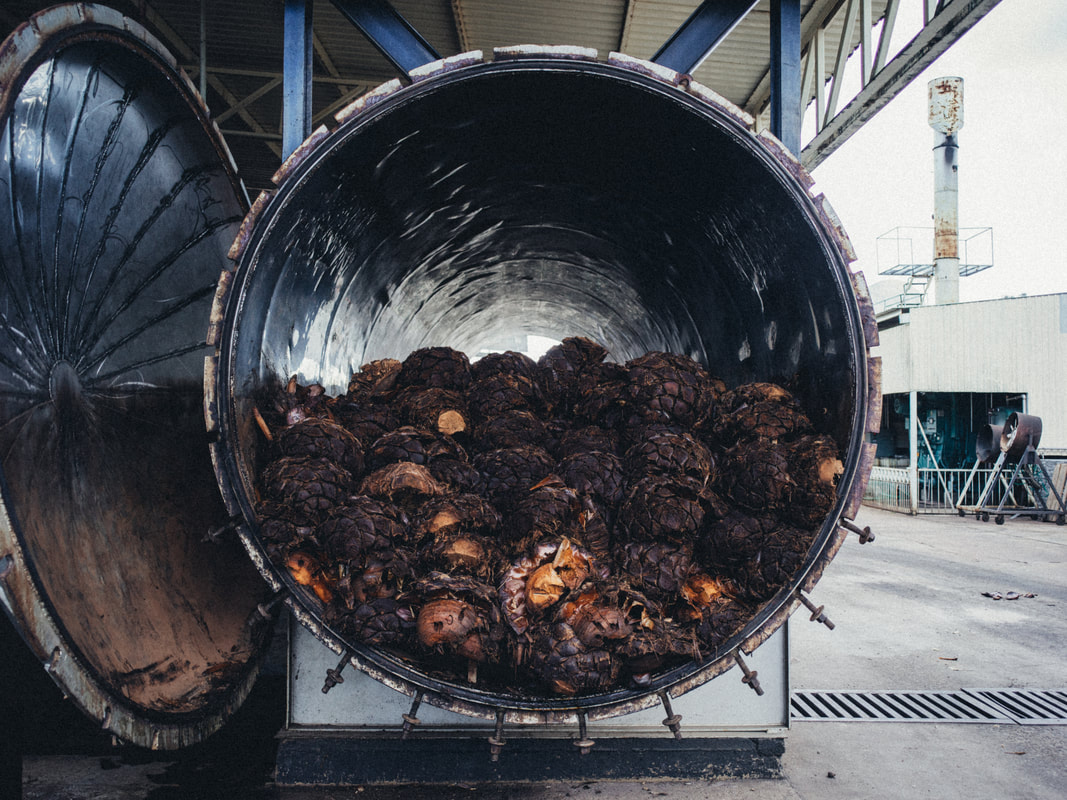
Cooking Method
Autoclave cooking for 18-22 hours.
     The cooking process, combined with the highland agave, provides the essence of caramel, not just hints of caramel. However, creating caramel and Maillard reaction aromas results in losses of ethanol yield because fermentable sugars are converted into aroma compounds instead. “Because we use four kilos of agave per bottle, we’re a Tequila spirit, not just tequila.”  
     To create a successful tequila for the United States market, the flavor profile was developed to honor the agave, the traditional Mexican flavor profile full of agave flavor, and the American taste profile.  This was accomplished using an autoclave to avoid the burn points, as burning results in tequila with higher volatile phenol content (burnt, smoke aromas). “If you get 2% burn, you gotta throw it all out or mask it with an additive. So, it was a flavor decision on our part to use the autoclave, which keeps the agave’s richness and lets the steam do its job of cooking without losing the agave juices, which happens when you cook with a brick oven.”
​
Picture
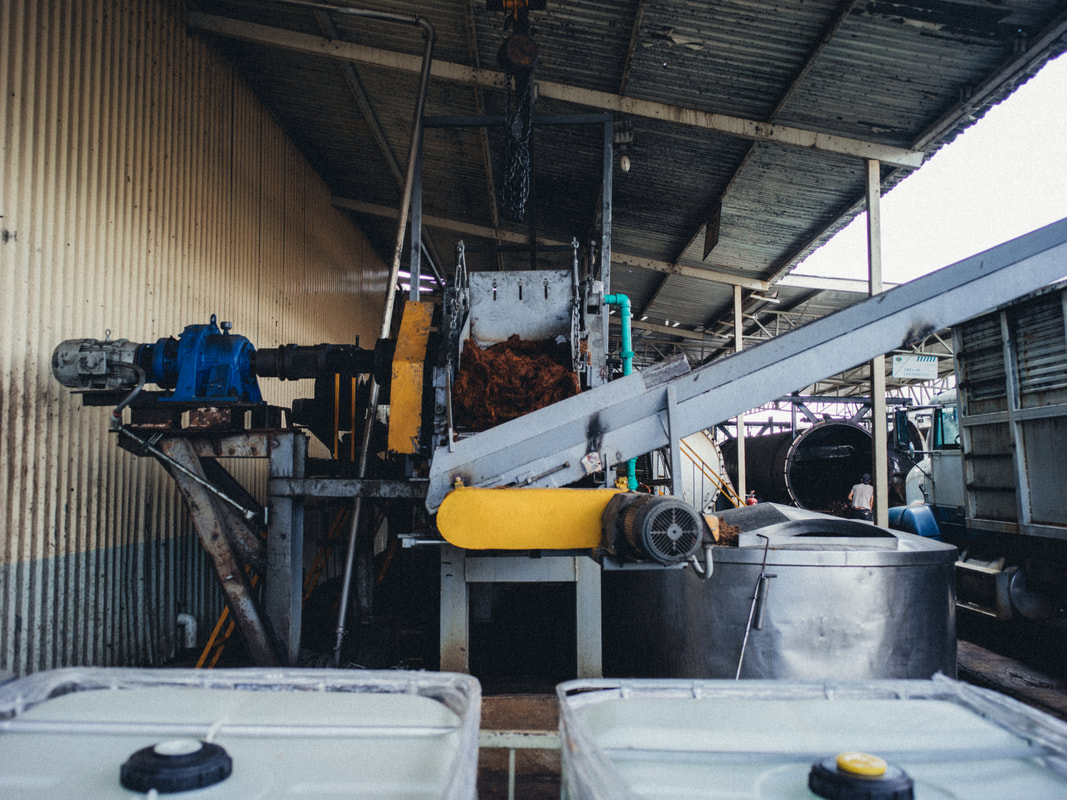
Crushing/Shredding
Custom designed a roller mill with seven rollers instead of four. 
With the goal of producing a clean-tasting tequila, the easier-to-clean roller mill is used to minimize inoculation by other microbes compared to the traditional tahona.  Additionally, the custom-built roller mill used by El Cristiano is unique because it uses seven rollers instead of four.  “With a four roller, the pressure required results in some bitterness, so we wanted to eliminate that. We also only use the first two presses, like you do with fine wine.”  Presses three, four, and five are then sold to other tequila brands, akin to selling off press-fractions in the wine world. 
Picture
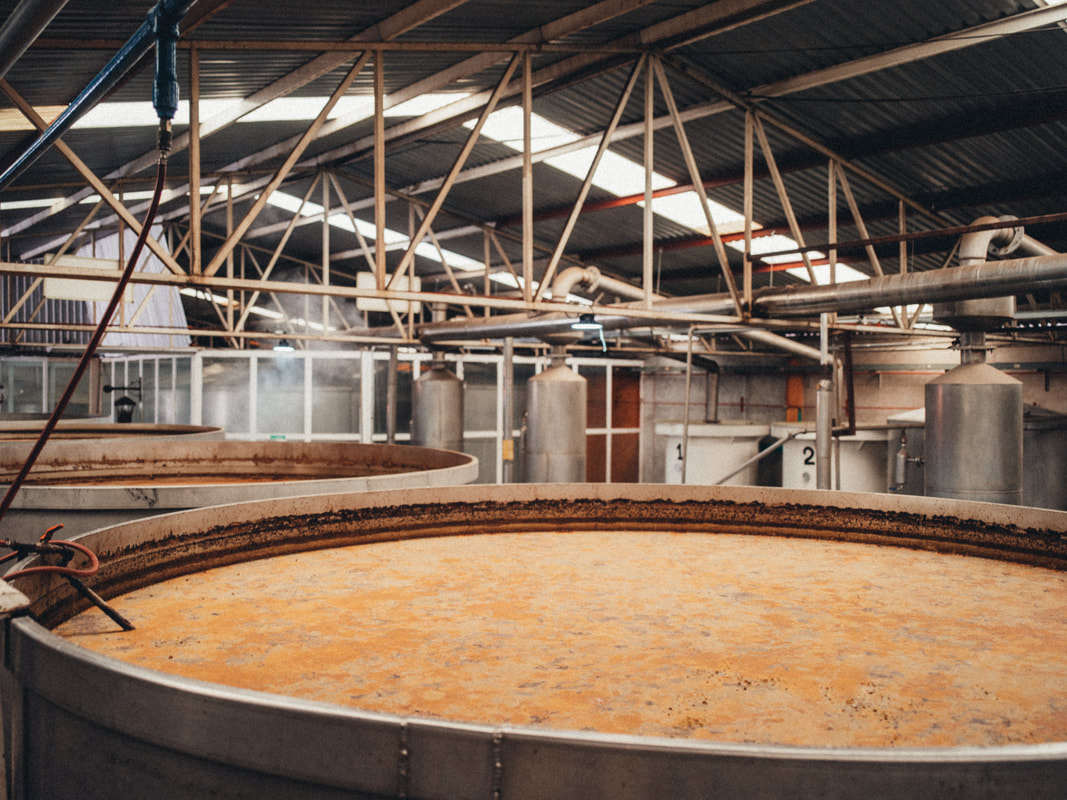
Fermentation

Duration:  96-114 hours, depending on the exterior weather.

Proprietary Yeast 
A proprietary strain is sourced from Germany and used for its consistency, which is essential given the ambient temperature fermentation.

Vessels: Open-top stainless steel vessels
“It never hurts to have a little natural yeast flying around to provide some exotic flavors and add a little bit of complexity. And it’s traditional. We also like to watch it bubble, and you can get up to the top of the tank to look at it and sense it. Fermentation is all about being intuitive about your product. It’s like you’re making a stew; you’re smelling it and tasting it. That’s how we do it.” 

Yeast nutrition: None
Fermentation is performed without increasing Yeast Assimilable Nitrogen (YAN) because mature agave is used.  
Picture
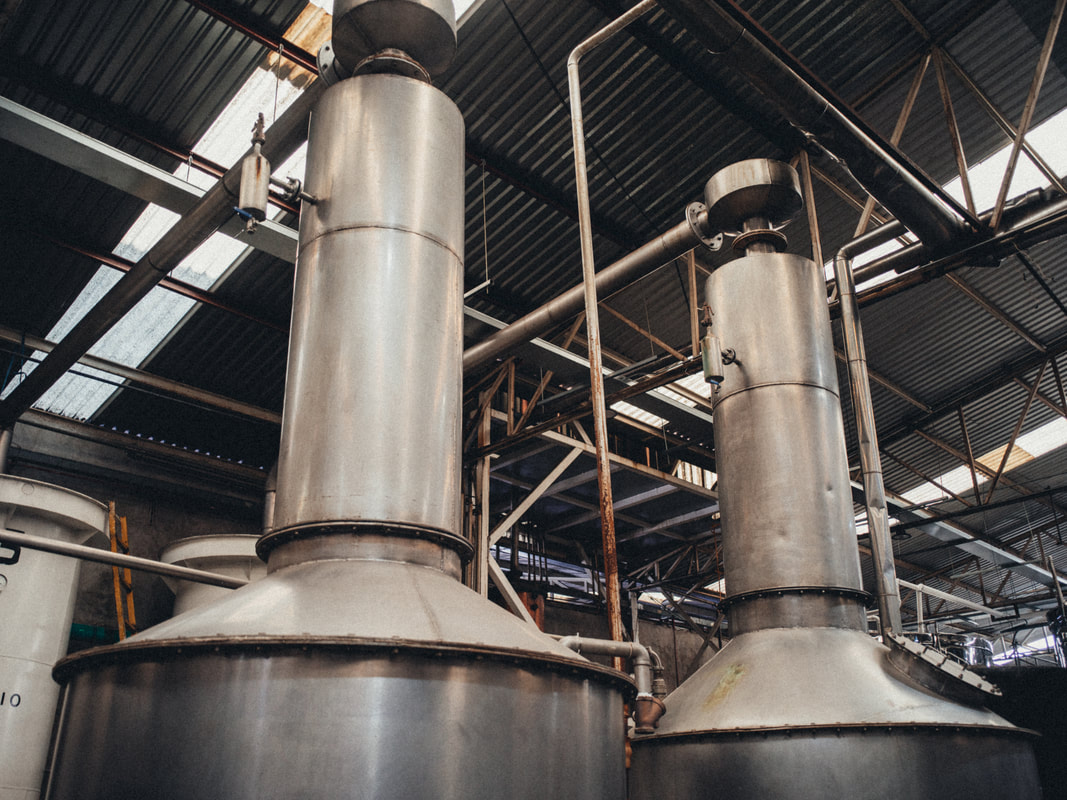
Distillation

Still type 
  • Modern pot still made of copper and steel with copper tubing inside.
  • The distillery’s modern equipment, including the still, allows for precise control over cuts.

Distillation Cuts
To achieve a clean-tasting product, a significant portion of heads fraction is cut.  This includes low molecular weight compounds like acetone and acetaldehyde (green apple).  Additionally, a significant tails fraction is cut.  This portion contains lower molecular weight compounds like acetic acid (vinegar) and furfural (bread/toast). This further increases the amount of agave required. 


Resting 
8-week micro-oxygenation
In a modern approach to an extended resting process, El Cristiano Tequila micro-oxygenates the tequila for eight weeks to produce the base Blanco.  This duration of time was chosen because it was the sweet spot between not enough time exposed to oxygen to make a significant flavor impact and a decreased flavor if mico-oxygenated for longer than eight weeks.
Picture
Barrel Aging

Facility 
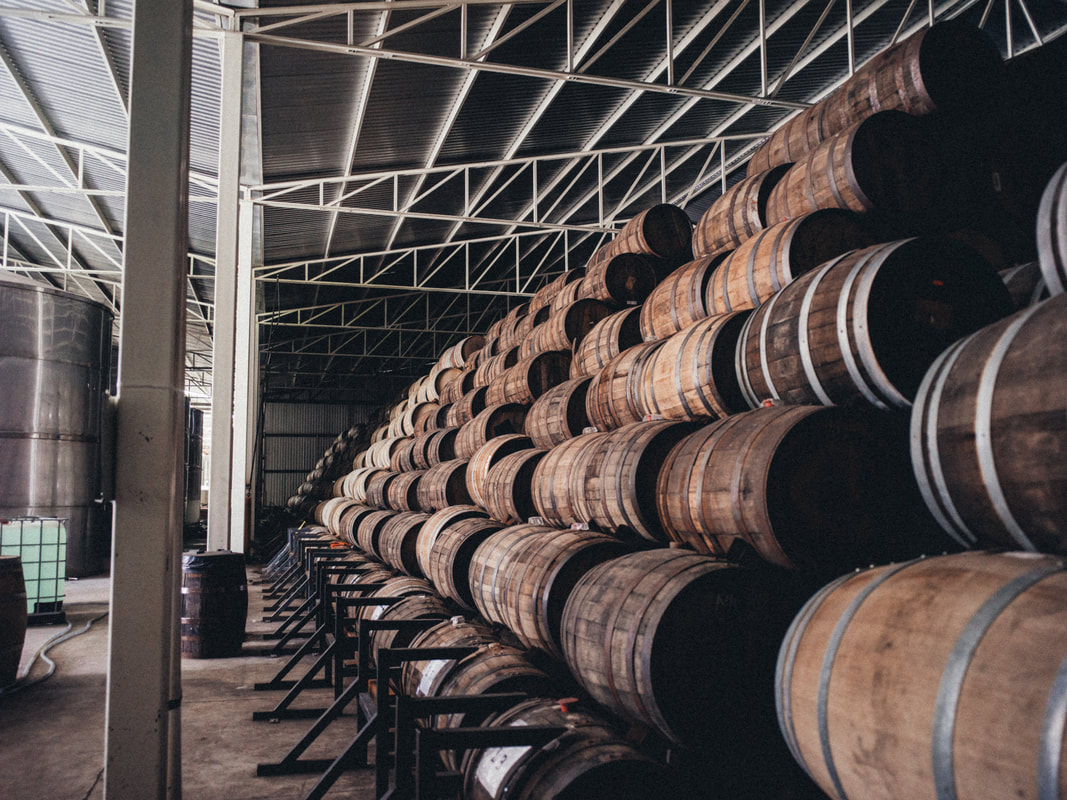
  • Temperature: Barrels are stored in an ambient temperature warehouse detached from the fermenting/distilling area to avoid heat spillover from these processes.  
  • Ventilation: Fans are available but seldom used.

Barrels
To create true natural barrel flavors, the tequila has to penetrate the barrel to absorb the flavor.  Because of this, the silver is the most important tequila made by any brand. “It’s absolutely critical that the silver be molecularly clean. By that, I mean absolutely no additives. This helps flavor extraction from the wood, whereas if you’ve had to add color, sugar, aspartame, or glycerin within the 1% rule, you kill the ability of the alcohol to penetrate the wood and extract its flavors.  It’s like the barrel is wearing a raincoat.” 

American Oak 
  • The American oak ex-Tennessee Whiskey barrels are re-charred in Mexico using a #3 char, cut back to ~0.75 inches, then scored with a knife to create a 1/32 to 1/16 inch grid line approximately every 12 inches. 
  • “We then cut it back to about 3/4 of an inch in order to have a denser or consistent filtration. We also use a little trick to expose the raw oak by cutting the grid line so that the barrel is not only filtering but also kissing that raw oak and grabbing that little bit of an extra little bit of exposure.”

French Oak
Re-charred French oak St. Emilion (Bordeaux) barrels that are shipped directly from France to Mexico. If the char is inadequate, they are re-charred in Mexico.  The barrels are also scored/cut like the American oak barrels.  

Barrel maintenance 
Ozone between usages to minimize residual microbial influence.


Blending
      “The art of blending is our ethos. As a chef-based tequila producer, we meticulously curate every aspect of our production process. From hand-picking the perfectly mature agave to selecting the perfect yeast, to carefully monitoring the roller mills and making precise cuts during distillation, we leave no detail overlooked. Even the addition of oxygen and the careful opening of barrels to remove unwanted smells are part of our craft,” said Karan Khanna.

Filtration 
Chill filtration is used to prevent the formation of hazes.

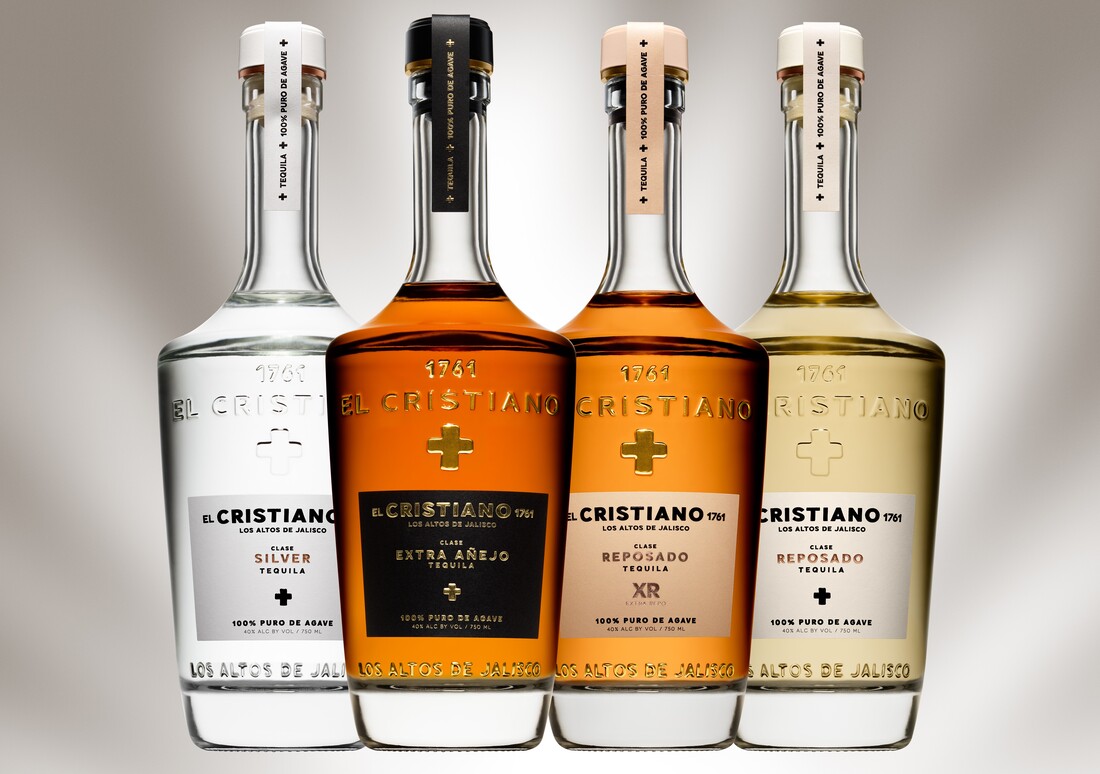
El Cristiano Tequila

Partners Karan Khanna and Nitin Khanna provided the following brand notes. 
Picture
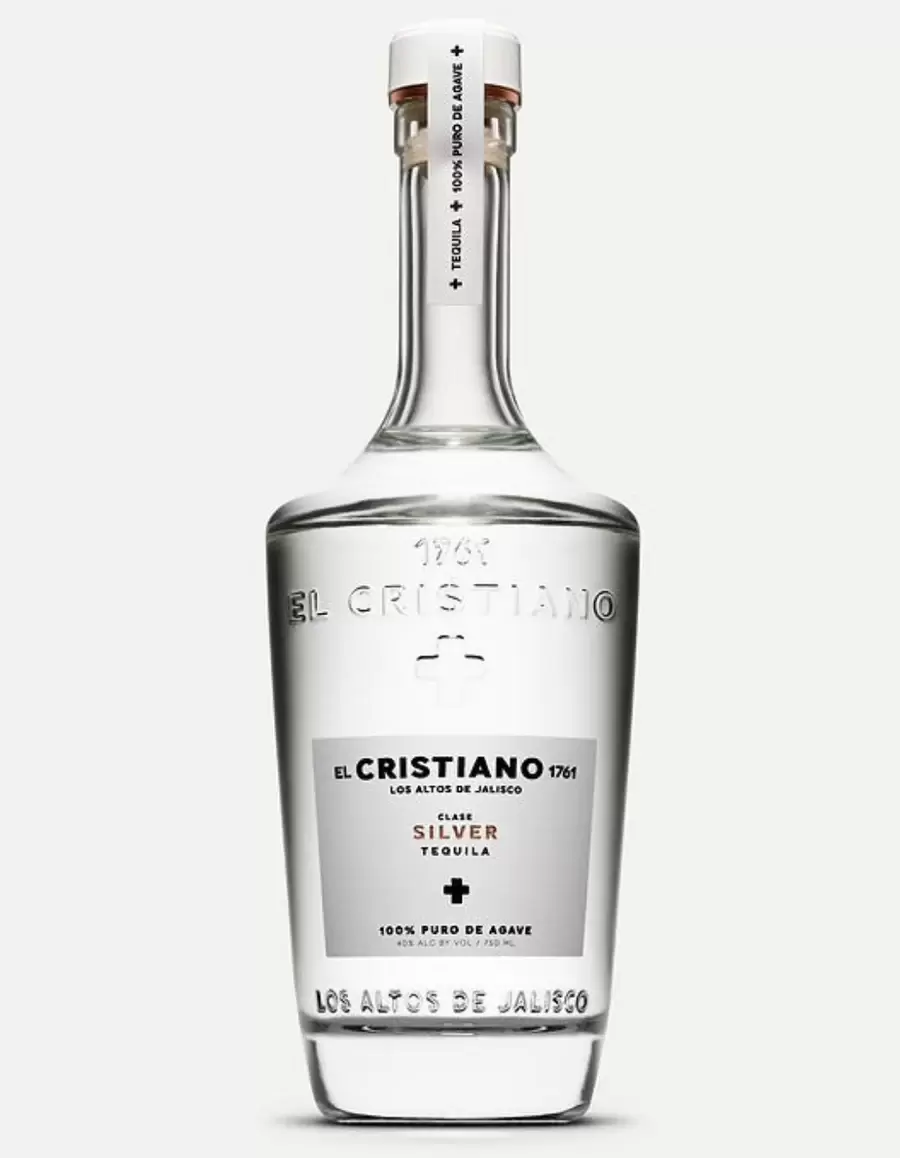
Clase Silver

SRP: $49.99
  • Sight: Full body with bright, silver hues and defined legs.
  • Smell: Subtly sweet cooked agave aromas with hints of butter notes of mature fruit, and spicy with hints of bay leaf and rosemary
  • Taste: Full mouth roundness, earthy and sweet with notes of mature fruit, cooked and fresh agave.

Brand Notes
“Our goal with El Cristiano was to create the world’s most delicious tequila. We do that by creating a Silver tequila that is exceptionally clean and natural, offering a truly authentic agave flavor. We focused on preserving the purity of the spirit, ensuring that each sip delivers the essence of agave. Additives are only necessary when the silver tequila is made with unripe, not completely mature agave, and is bottled without paying attention to the impurities that are part of the fermentation and distillation process. By maintaining a meticulous production process and a super focus on each Pina that gets into our overs, we avoid the need for additives, allowing the true character of the agave to shine through.”

​

Picture
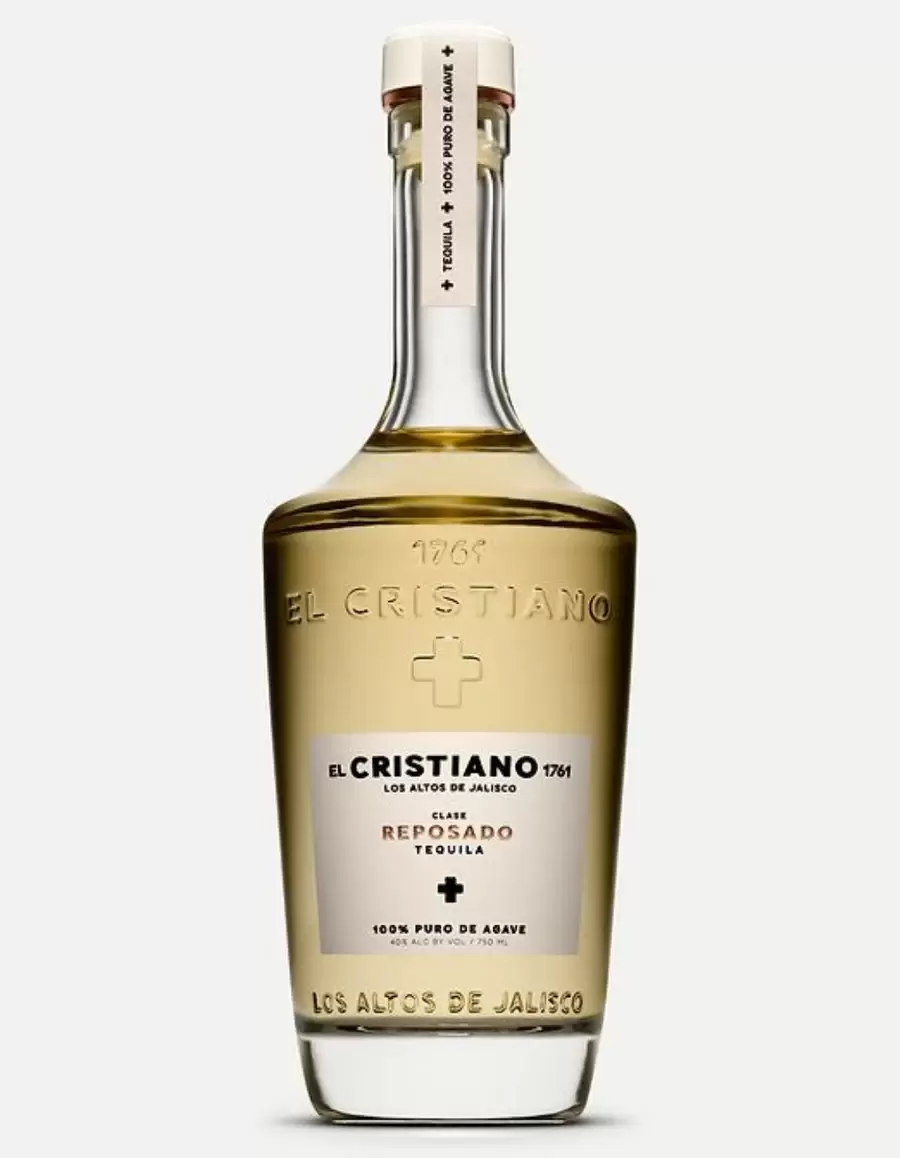
Clase Reposado

SRP: $59.99

Maturation
Six months in re-charred 100% American oak ex-Tennessee whiskey barrels 
  • Sight: Pale golden amber color with a silvery cast
  • Smell: Creme Brûlée, dried tropical fruit, nougat, dried flowers, and spice.
  • Taste: Soft, satiny entry to a sweet, fruity, medium to full body, anise cookie, herb, and grilled pepper accents

Brand Notes
American oak was chosen for its full flavor and because it is very porous. This porousness helps to increase the extraction of oak flavors. 
​

Picture
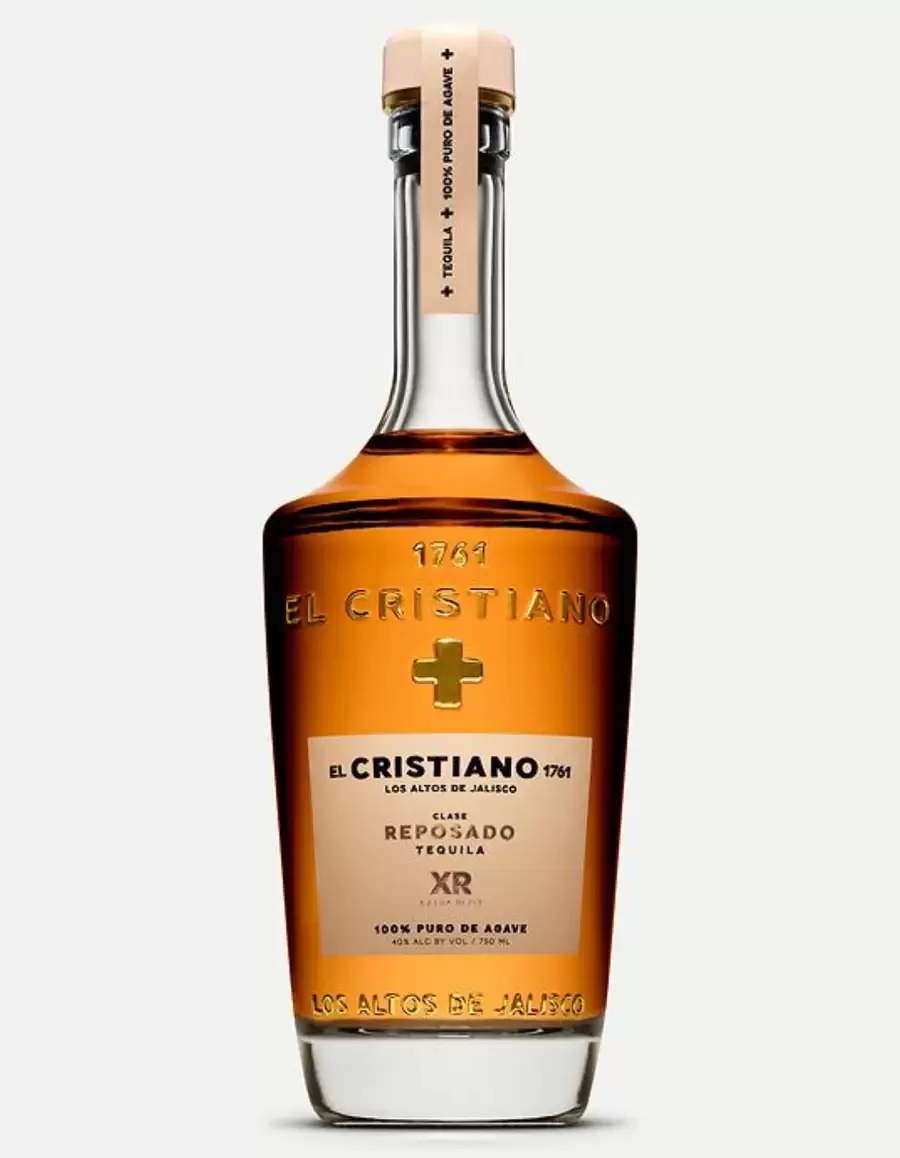
Clase Extra Reposado: El Cristiano Xr

SRP: $99.99

Maturation
  • Six months in re-charred 100% American oak ex-Tennessee whiskey barrels. 
  • 5-5.5 months in re-charred French oak St. Emilion (Bordeaux) barrels. 

Sight: Bright Golden Yellow
  • Smell: Sweet cooked agave aromas, herbs, fruit, delicate floral notes with vanilla and caramel.
  • Taste: Impressively smooth in texture. Sweet and fruity finishing with light spice notes.

Brand Notes
Wanting to do something innovative, the El Cristiano team asked and was approved for labeling by the CRT.  “Clase Extra Reposado (El Cristiano XR) stands out for its unique approach to aging. To achieve a distinct blend of aromas, we utilized two oak types, each contributing its own character. American oak lends richness, natural sweetness, and notes of toast and vanilla. Transitioning to a re-charred French oak barrel introduces additional aromas of cinnamon and clove, subtly complemented by a hint of Bordeaux wine. Our aim was to enhance the tequila’s complexity without overpowering its natural flavors. The result is a nuanced profile that leaves a delightful ‘What the hell is that?’ impression, courtesy of that gentle kiss of wine.”  Currently, Clase Extra Reposado is the only permitted extra reposado in the world.
​

Picture
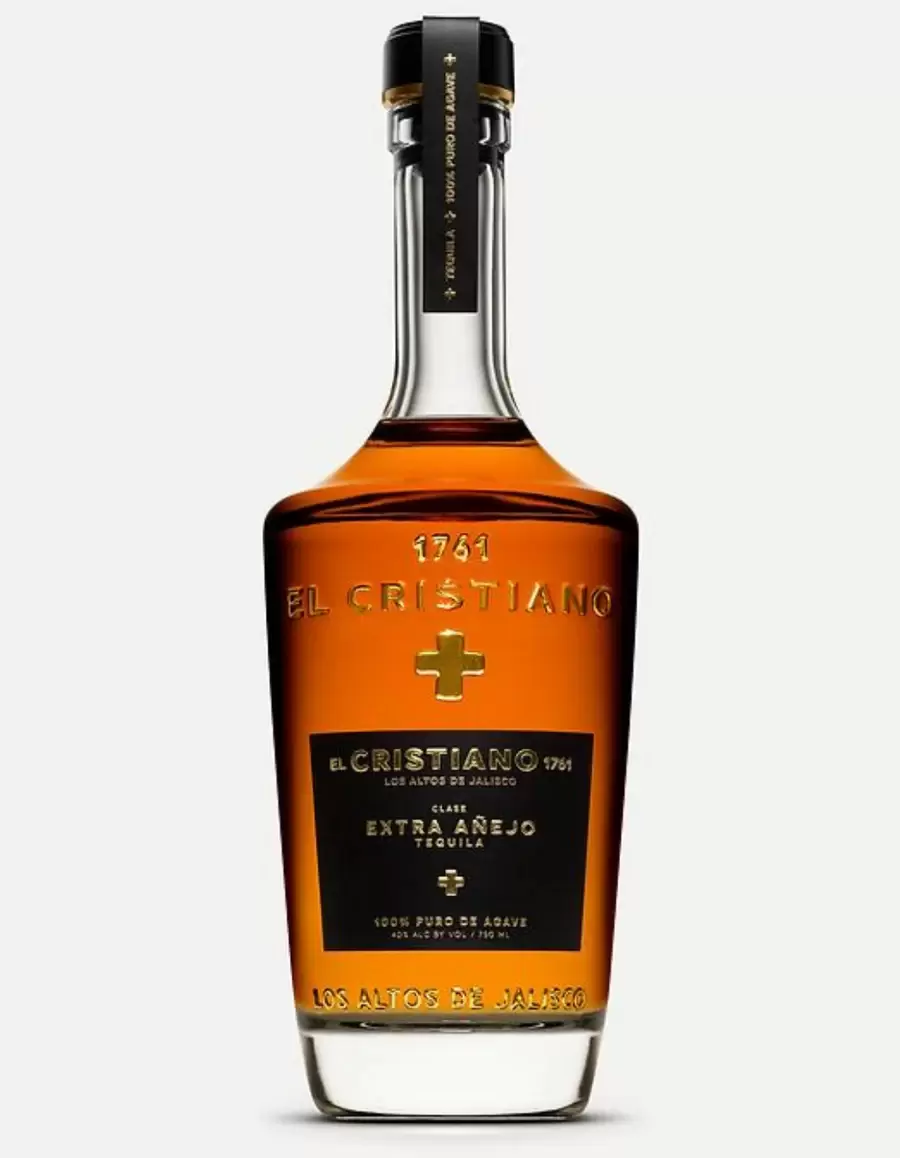
Clase Extra Añejo:  El Cristiano Black Label
​
SRP: $139.99

Maturation
Three years in American oak ex-Tennessee whiskey barrels that are re-charred. 15% of Angel’s share. The bung (barrel cork) is removed monthly to release the gas build-up and oxygenate the tequila.
  • Sight: Dark amber with bright copper hues
  • Smell: Aromas of caramel and nutmeg with prune, cinnamon and honey
  • Taste: White Oak, sweet fruit notes of raisin and dates with a luxurious smooth finish

Brand Notes
The extra añejo was developed to be the brand’s flagship product and the world’s most delicious tequila. The extra añejo was developed as the brand’s flagship product. “We wanted to target the consumer who wants the very best by creating an exquisite extra añejo that wasn’t contaminated with additives and that costs less than other premium extra añejo. This is the world’s most delicious tequila.”
​

Store Locator

Visit: ​https://www.el-cristiano.com/pages/store-locator

MENU

HOME

SUBSCRIBE

DIGITAL
​EDITION

BEVERAGE
​GUIDE

NEws and
​Events

ABOUT

CONTACT

©2025 Hawaii Beverage Guide
​Terms & Conditions 
Site Map
  • Subscribe
  • Digital Edition
    • Digital Edition
    • Digital Brand Index
    • Digital Archive
  • Beverage Guide
    • Flavor and Cocktail Construction >
      • A Guide to: Flavor Pairings and Recipe Development
      • A Guide to: Cocktail Construction
      • Flower Aroma Compounds
      • Peanut Aroma Compounds
      • A Guide to: Herb Aroma Compounds
      • A Guide to: Spice Aroma Compounds
      • Fruit Aroma Componds
      • Japanese Flavors
      • A Guide to Indigenous Mesoamerican Cocktail Ingredients
    • Production Fundamentals >
      • A Guide to: Water
      • A Guide to: Alcoholic Fermentation
      • Intro to the Fermentation of Grain
      • A Guide to: Distillation and Stills
      • A Guide to: Filtration
      • A Guide to: Oak Barrels
      • ​A Guide To: Non-Enzymatic ​Browning
      • Introduction to Cacao and Chocolate Making
    • Non-Alcoholic Beverages >
      • Kamaʻāina Beverages >
        • Hawaiian Sun
      • Non-Alcoholic Beer Produced by Restricted Fermentation
      • Non-Alcoholic Beer and Wine Produced by Dealcoholization
      • Hawaii Beverage Guide Perspective on: Non-Alcoholic Beer and Wine Program Integration
      • 2022 No/Low Alcohol Beverage Market Perspective
    • Beer >
      • Kamaʻāina Brewers >
        • Kauai Breweries >
          • Kaua'i Island Brewing Co.
        • Oahu Breweries >
          • Aloha Beer Co
          • Beer Lab
          • Broken Boundary Brewery
          • Hana Koa Brewing Co
          • Honolulu Beerworks
          • Inu Island Ales
          • Lanikai Brewing Co
          • Waikiki Brewing Company
        • Maui Breweries >
          • Maui Brewing Co
          • Maui Seltzer
          • Kohola Brewery
        • Big Island Breweries >
          • Big Island Brewhaus
          • Ola Brewing
          • Hilo Brewing
          • Kona Brewing
      • Athletic Brewing
      • Firestone Walker Brewing Co
      • Golden Road Brewing
      • Stella Artois Summer Solstice Lager
      • San Miguel
    • Cider >
      • Kamaʻāina Ciders >
        • Paradise Ciders
    • Sake
    • Spirits >
      • Kamaʻāina Distillers >
        • Aloha Awamori
        • Hali'imaile Distilling Company
        • Hanalei Spirits
        • Hawaii Sea Spirits
        • Hawaiian Shochu Co
        • Island Distillers
        • Ko Hana Rum
        • Kolani Distillers
        • Koloa Rum >
          • Koloa Cacao Rum
        • Ko'olau Distillery
        • Kuleana Rumworks
        • Kupu Spirits >
          • Kupu Whiskey
        • Royal Hawaiian Spirits
      • Bitters
      • Brandy >
        • Cognac >
          • Martell
        • Spanish Brandy >
          • Emperador >
            • Fundador
      • Gin >
        • Ginebra San Miguel
        • Indoggo Gin
      • Liqueurs and Cordials >
        • ​Destileria Barako: Ube Cream Liqueur
        • Skrewball
        • Chareau
      • Ready Made Cocktails >
        • 10 Barrels Brewing Co.
      • Rum >
        • Copalli Rum
        • Lemon Hart and Son
        • Real McCoy Rum
        • Tanduay Rum >
          • Tanduay: Especia Spiced Rum
      • Shochu
      • Agave Spirits
      • Tequila >
        • Del Maguey
        • Codigo 1530
        • Tequila Comisario
        • El Cristiano
        • Casa Sauza
        • Real Del Valle
        • Tequila Komos
        • El Hempe
      • Bourbon Whiskey >
        • Old Hillside Whiskey
      • Irish Whiskey >
        • Irish Distillers: Midleton Very Rare, Irish Distillers: Redbreast, Spot Whiskey, Jameson
        • Slane Irish Whiskey
      • Vodka >
        • Kai Vodka
        • Haku Vodka
    • Wine >
      • Kamaʻāina Wine Makers >
        • Maui Wine
      • Winemaking >
        • A Guide to Viticulture
        • A Guide to: Wine Prefermentation Practices
        • A Guide to: Wine Microbes
        • A Guide to: Wine Alcoholic Fermentation Physical Environment
        • A Guide to: Wine Fermentation Chemical Environment
        • A Guide to: Wine Bottling
        • A Guide to: Post Fermentation Flavor Adjustments
        • A Guide to: Post Fermentation Process: Stabilization
        • A Guide to: Wine Faults
        • A Guide to: Wine Polyphenols
        • A Guide to: Wine Aroma Compounds: Pt 1
        • A Guide to: Wine Aroma Compounds: Pt 2
        • A Guide to: High Residual Sugar Wine from Dehydrated Grapes
        • Red and White Grape Aroma Compounds
      • Wine Styles >
        • Natural Wine
        • White Wine Styles >
          • Riesling
          • Sauvignon Blanc
        • Rosé
        • Red Wine Styles >
          • Bordeaux Reds
          • Cabernet Sauvignon
          • Gewürztraminer
          • Grenache
          • Malbec
          • Merlot
          • Non-Alcoholic Wine >
            • Fre: Alcohol -Removed Wine
          • Zinfandel
        • Sparkling Wine
  • Business Strategy
    • Restaurant Finance
    • Your Dapper Consulting: Democratization of Venture Capital
    • Marketing for Small Business Pt 1: Analysis
    • Marketing for Small Business Pt 2: Marketing Communications Strategy
    • A Guide to Pricing Strategy
  • News and Events
    • Cheers to Seventy-Three Years
    • Navigating COVID-19
  • About
    • Contact
    • Terms & Conditions